
Trending Now

Stakeholder Engagement Strategies That Actually Deliver Results
The Future of Project Management: Trends Reshaping 2025–2030 
Lean Six Sigma Templates Pack: SIPOC, CTQ, Fishbone, Control Plan, A3 (Free Guide)
CAPM Exam Prep Strategy 2026: Practice Questions, Mock Tests, and Time Management
ITIL 4 vs ITIL (Version 5): The Global, No‑Fluff Guide to What’s New, What Stays, and How to Transition
ITIL 5 Certification Demand and Job Market Trends: Complete Career Guide (2026)
ITIL v5 Job Roles Explained: From Service Desk Analyst to IT Service Manager
PL-300 DAX Questions You Must Master in 2026 (With Patterns)
How to Write an RCA Report That Actually Prevents Repeat Incidents (Templates + Examples)
Digital Transformation Projects: Why They Fail & How to Fix Them
Oracle Primavera P6 Training Guide (2026): Skills Every Project Professional Must Master
PMI’s Late-2026 PMP® Policy Update Will Reject Most Live Training Hours — Here’s How to Protect Your 35 Contact Hours  
Why Are My Pages Not Indexed Even After Sitemap Submission? (And How to Fix It)
Minitab for Lean Six Sigma (2026): The Only Functions Most Belts Actually Need
Top 10 Project Scheduling Tools for PMP & PRINCE2 Aspirants (2026 Guide)
SIPOC Made Simple: How to Map a Process in 20 Minutes (with Examples)
PL-300 vs DP-600 vs DP-500 in 2026: Which Certification Should You Take First?
Portfolio Management Mastery: Why PfMP and PgMP Are Rising in Demand (2026)
How to Build a “Closed-Loop” CAPA System Using RCA (So Fixes Don’t Die in Docs)
Yellow Belt vs Green Belt vs Black Belt: Which Lean Six Sigma Level Should You Choose in 2026?
DMAIC Explained (2026): The Step-by-Step Method to Fix Any Process
PRINCE2 7 Tailoring Guide (2026): How to Adapt the Method for Any Project Size
Google Ads vs SEO in 2026: Which Should You Invest In First?
Process Mining + Lean Six Sigma: The 2026 Playbook for Faster, Data-Driven DMAIC
CAPM vs PMP in 2026: Which Certification Should You Choose (and When)?
PRINCE2 7 Certification Path: Foundation → Practitioner → Next Steps (2026 Roadmap)
Oracle Primavera P6 Training Roadmap (2026): From Beginner to Project Controls Expert
AI Overviews & AI Mode SEO: How to Win Visibility When Google Answers First
RCA vs 5 Whys vs Fishbone vs 8D vs A3: When to Use Which (Decision Framework)
PL-300 Case Study Walkthrough: From Raw Data to Executive Dashboard (End-to-End)
PRINCE2 7 Foundation: Complete Exam Guide, Format, Pass Mark, and Study Plan (2026)
Lean Six Sigma Yellow Belt: The 2026 Beginner Guide (Tools, Examples, Real Workplace Use)
Technical SEO Audit 2026: The Only Checklist That Still Matters
Content Refresh Strategy 2026: How to Update Old Pages for New Traffic
CAPM Exam Content Outline Explained: Domains, Weightage, and What to Study First
GA4 Setup Guide 2026: Step-by-Step for Accurate Tracking
From Keywords to Answers: How Search Works in 2026 
CAPM Certification 2026: The Complete Exam + Training Guide (PMI-Updated)
Traditional SEO vs Answer-First SEO: What Actually Ranks in 2026
ITSM Evolution: From Monolithic Systems to Cloud‑Centric Architectures (2026)
How to Run High-Performance Retargeting Campaigns Using AI
Project Leadership in 2026: Skills Every Successful Project Manager Needs
Technical SEO for 2026: Crawl Optimization, Log Analysis & AI Indexing Signals
Top 12 Project Management Mistakes and How to Avoid Them
PRINCE2® 7 (2026 Guide): What’s New, What Changed, and Why It Matters
Lean Six Sigma in 2026: What’s Changed (AI, Automation, Process Intelligence) & What Still Works
Root Cause Analysis in 2026: The Modern RCA Playbook for Faster, Repeatable Fixes
ITIL Is for Everyone and for Every Organization: A Deep‑Dive Playbook (2026)
Social Media Algorithms Explained (2026 Edition): What Actually Drives Reach Today
Power Query Best Practices 2026: Faster Refresh, Cleaner Models, Fewer Errors
PL-300 Exam Guide 2026: Skills Measured, Study Plan, and What’s Changed
LLMS.txt vs Robots.txt in 2026: What to Implement (and What to Avoid)
SEO in 2026: The Complete Playbook for AI Search, AEO & GEO
Google Ads Audits in 2026: A Step-by-Step Checklist to Fix Wasted Spend and Unlock Growth
AI-Driven Risk Management: Predict Risks Before They Happen
On-Page SEO 2026: New Techniques for Topical Relevance & AI Search
Hybrid Project Management: Why Organizations Are Transitioning in 2026 and Beyond
AI-Powered Project Planning: Faster, Smarter, and More Accurate Strategies 
Industry Predictions for 2026: From GenAI to Value Streams and Total Experience
PMP vs CAPM vs PRINCE2: Which Certification Offers the Best ROI in 2026?
AI in Project Management: How Intelligent Tools Are Transforming PM Workflows 
Performance Max Mastery: How to Scale ROI with Smart Automation 
What is SAFe RTE? (Release Train Engineer)
SAFe RTE: The Complete Guide to Becoming a High-Impact Release Train Engineer (2025–2026)
Time Management: How to Turn Hours into Impact
Lean Six Sigma Green Belt: Skills, Value, Demand & Global Trends 2026
PL-300: Microsoft Power BI Data Analyst Certification for Career Growth Globally 2026
Strong & Sustained Demand for PMP Certification in 2026
Why Organizational Agility Matters: The Strategic Imperative for Big Enterprises
Building an Agility Culture Beyond IT Teams
How to Re-Engage Remote Teams: PMP Question on Motivation and Collaboration
Understanding Tuckman’s Team Development Stages - PMP Exam Question Explained
Why do Business Owners assign business value to team PI Objectives?  
Benefits of EXIN Agile Scrum Foundation Certification
Benefits of PMP Certification for Corporate and Individual Professionals in 2025
Streamlining Vaccine Development during a Global Health Crisis – An Imaginary PRINCE2 Case Study
PMBOK Guide Tips for Managing Change and Uncertainty in Projects
How to Apply PRINCE2 Methodologies in Real-World Projects
What is PRINCE2® 7? A Simple Explanation for Beginners
Project Management Certification in the United States of America
The Evolution of Project Management: From Process-Based to Principles-Based Approaches
Mastering ITIL and PRINCE2 for Enhanced Project Outcomes in Indian GCCs
Exploring the Eight Project Performance Domains in the PMBOK® Guide
PMI Best Practices for Project Management Across Different Environments
Your Ultimate Project Management Guide: Explained in Detail
Top Benefits of PRINCE2 for Small and Medium Enterprises
Best Project Management Certifications of 2025
The Importance of Tailoring PRINCE2 to Fit Your Organization's Needs
Resolve Slash URLs & Learn 301 vs. 308 Redirects Effectively
What is a standard change in ITIL 4?
Which practice provides a single point of contact for users?
What is the first step of the guiding principle 'focus on value'?
Which is a benefit of using an IT service management tool to support incident management?
A service provider describes a package that includes a laptop with software, licenses, and support. What is this package an example of?
What should be included in every service level agreement?
What are the two types of cost that a service consumer should evaluate?
The Business Case for SAFe®: Solving Modern Challenges Effectively
Which ITIL concept describes governance?
How does ‘service request management’ contribute to the ‘obtain/build’ value chain activity?
Which practice is the responsibility of everyone in the organization?
Why Should I Take a VeriSM Certification? My Personal Journey to Career Success

Why Should I Take a VeriSM Certification? My Personal Journey to Success

Picture of Mangesh Shahi
Mangesh Shahi
Mangesh Shahi is an Agile, Scrum, ITSM, & Digital Marketing pro with 15 years' expertise. Driving efficient strategies at the intersection of technology and marketing.

In today’s fast-paced digital world, keeping up with the latest trends and best practices in service management is crucial for professionals aiming to enhance their careers. As someone who has navigated this journey, I can attest to the transformative power of obtaining a VeriSM certification. Here’s my personal journey towards success and why you should consider taking the plunge.

Understanding VeriSM

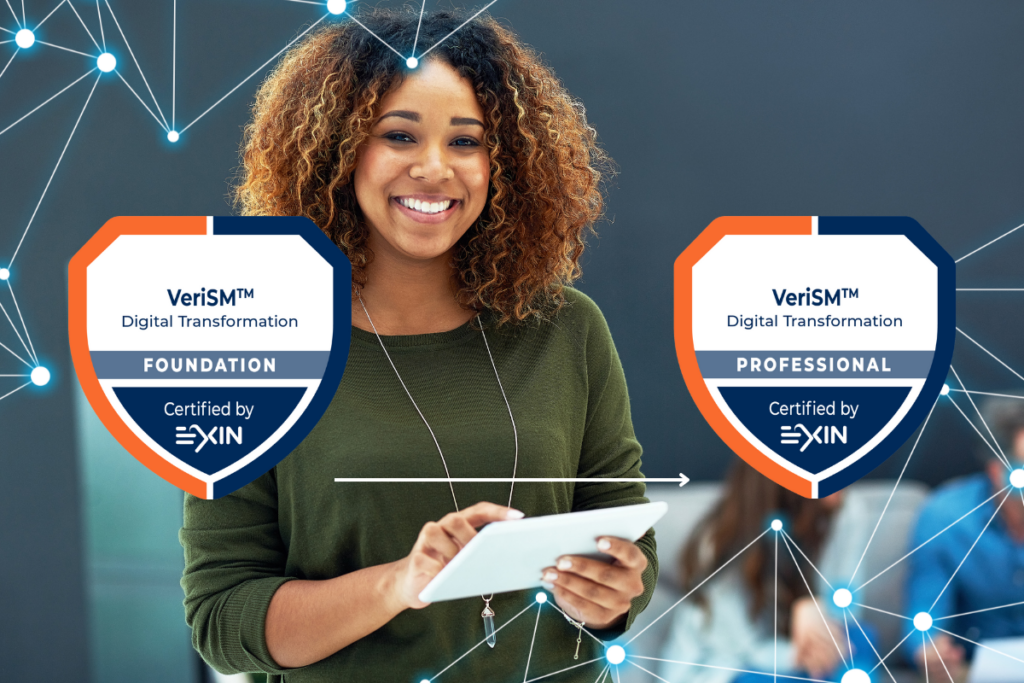
VeriSM (Value-driven, Evolving, Responsive, Integrated Service Management) is a contemporary approach to service management that emphasizes a flexible, business-oriented framework. It integrates various management practices and methodologies, ensuring that service management aligns with the specific needs and goals of an organization.

My Journey Begins

When I first heard about VeriSM, I was intrigued by its promise of a holistic, adaptable approach to service management. As a professional constantly seeking ways to improve and stay relevant, I decided to explore this certification.

The Learning Experience

  1. Comprehensive Curriculum: The VeriSM certification course offered a thorough understanding of the service management landscape, covering essential topics such as organizational governance, service culture, and the VeriSM model.

  2. Practical Insights: Unlike some certifications that focus purely on theory, VeriSM provided practical insights and real-world examples, which were immensely helpful in applying the concepts to my daily work.

  3. Flexible Learning Options: The course offered various learning formats, including online modules and classroom sessions, allowing me to balance my professional commitments with my studies.

Why VeriSM Stands Out

  1. Adaptability: VeriSM is designed to be flexible, integrating with existing frameworks and methodologies. This adaptability made it easier for me to apply what I learned to my organization’s specific context.

  2. Value-Driven Approach: The focus on delivering value to customers and stakeholders resonated with my professional ethos, reinforcing the importance of aligning service management with business goals.

  3. Continuous Improvement: VeriSM emphasizes the need for continuous evolution and responsiveness in service management practices, which is crucial in today’s ever-changing business environment.

The Impact on My Career

  1. Enhanced Skill Set: The knowledge and skills I gained through the VeriSM certification significantly enhanced my capabilities as a service management professional.

  2. Career Advancement: With the certification under my belt, I found new opportunities for career advancement, including promotion and the chance to lead critical projects within my organization.

  3. Professional Network: Joining the VeriSM community connected me with like-minded professionals, opening doors to valuable networking opportunities and industry insights.

Why You Should Consider VeriSM

  1. Stay Relevant: As service management continues to evolve, VeriSM ensures you stay ahead of the curve with its up-to-date practices and methodologies.

  2. Holistic Perspective: The certification provides a comprehensive view of service management, making it easier to see the big picture and make informed decisions.

  3. Career Growth: Whether you’re looking to enhance your current role or explore new opportunities, a VeriSM certification can be a significant asset in your professional toolkit.

Conclusion

Taking the VeriSM certification was a pivotal step in my career, equipping me with the knowledge and skills to excel in the dynamic field of service management. If you’re considering ways to enhance your professional journey, I highly recommend exploring VeriSM. It’s not just a certification; it’s a pathway to success, adaptability, and continuous improvement.

Embark on your VeriSM journey today and unlock new possibilities in your career.

Leave a Reply

Your email address will not be published. Required fields are marked *

Subscribe us