


Global Salary Trends, Job Demand, Career Growth & Industry Insights for Risk Professionals
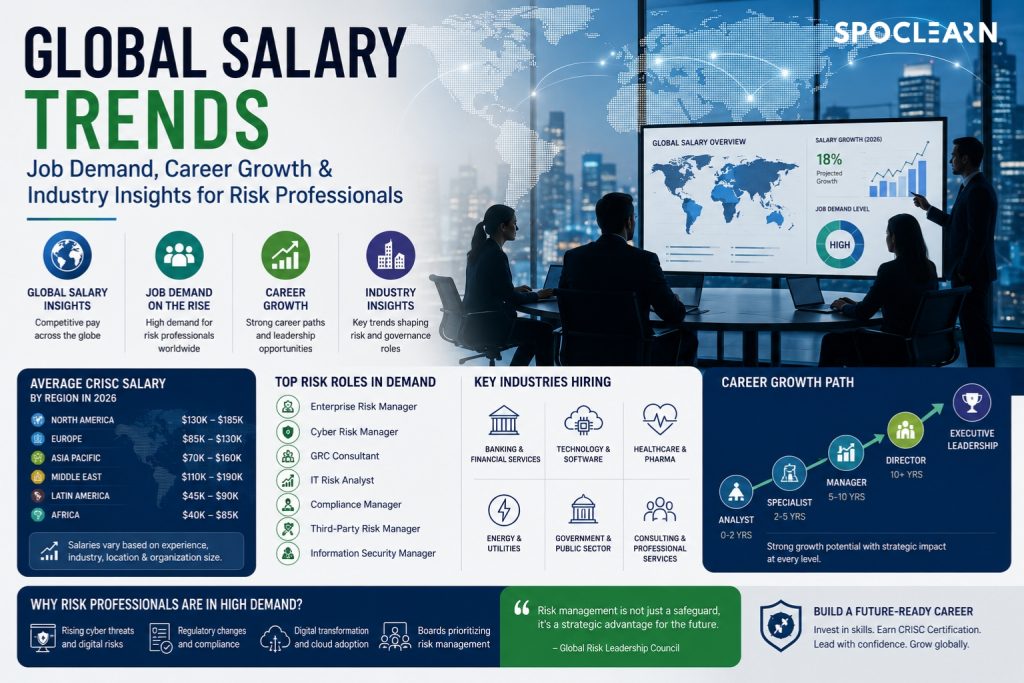
Cybersecurity threats, digital transformation initiatives, AI-driven governance challenges, and increasing regulatory pressure have made enterprise risk management one of the most critical business priorities in 2026. Organizations across banking, healthcare, government, telecom, manufacturing, cloud services, fintech, and consulting sectors are investing heavily in professionals who can identify, assess, manage, and mitigate IT and cybersecurity risks.
This shift has significantly increased global demand for professionals holding the ISACA Certified in Risk and Information Systems Control (CRISC) certification. Companies are no longer searching only for technical cybersecurity experts. Instead, they want professionals who understand governance, risk management, business resilience, compliance, data protection, and digital trust.
As organizations continue expanding cloud adoption, AI systems, IoT infrastructure, and hybrid work environments, CRISC-certified professionals are becoming strategic decision-makers rather than just compliance managers.
According to multiple cybersecurity workforce studies and enterprise hiring reports, risk management and governance roles are expected to remain among the fastest-growing technology domains globally through 2030.
What is CRISC Certification?
The CRISC certification from ISACA validates a professional’s expertise in:
- IT risk identification
- Risk assessment and mitigation
- Governance frameworks
- Information security controls
- Regulatory compliance
- Business continuity
- Enterprise risk strategy
- Cybersecurity governance
Unlike purely technical certifications, CRISC focuses on aligning IT risk with business objectives. That makes it highly valuable for professionals moving into leadership, governance, audit, cybersecurity risk, and enterprise resilience roles.
Why CRISC Salaries Are Rising Rapidly in 2026
Several market shifts are driving CRISC salary growth globally:
1. AI and Cybersecurity Risks
Organizations adopting AI systems now face:
- AI governance challenges
- Model security risks
- Data privacy concerns
- Regulatory compliance pressure
Risk professionals capable of governing these systems are increasingly valuable.
2. Global Regulatory Expansion
Countries are tightening cybersecurity regulations:
- GDPR expansion in Europe
- NIS2 directives
- Digital Operational Resilience Act (DORA)
- US SEC cyber disclosure requirements
- APAC financial risk governance mandates
Companies need CRISC-certified professionals to align with these regulations.
3. Board-Level Risk Visibility
Risk management is no longer an IT-only function. CEOs and boards now prioritize:
- Enterprise resilience
- Cyber risk governance
- Operational continuity
- Third-party risk management
This elevates CRISC-certified professionals into strategic roles.
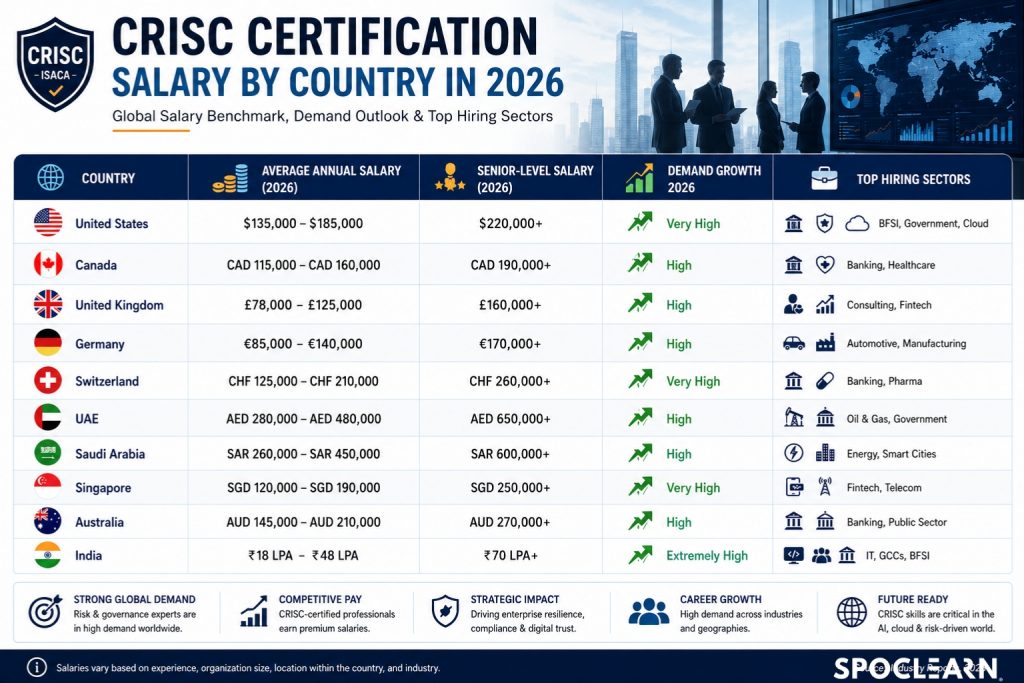
Average CRISC Certification Salary by Country in 2026
The table below highlights estimated salary ranges for CRISC-certified professionals globally in 2026.
Countries with the Highest CRISC Demand in 2026
CRISC Salary by Job Role in 2026
| Job Role | Global Average Salary |
|---|---|
| IT Risk Analyst | $90,000 – $130,000 |
| Cyber Risk Consultant | $110,000 – $160,000 |
| GRC Manager | $125,000 – $185,000 |
| Information Security Manager | $135,000 – $210,000 |
| Enterprise Risk Manager | $150,000 – $240,000 |
| Chief Risk Officer (CRO) | $250,000+ |
| Third-Party Risk Manager | $120,000 – $170,000 |
| Cloud Governance Specialist | $140,000 – $220,000 |
CRISC vs Other Cybersecurity Certifications
| Certification | Primary Focus | Average Salary Potential |
|---|---|---|
| CRISC | Risk Management & Governance | Very High |
| CISA | IT Audit | High |
| CISM | Information Security Management | Very High |
| CISSP | Technical & Security Leadership | Extremely High |
| CGEIT | Enterprise IT Governance | Executive Level |
CRISC stands out because it connects cybersecurity with business risk management. Organizations increasingly prefer professionals who understand both technology and business continuity.
What Skills Increase CRISC Salaries Faster?
Professionals combining CRISC with the following skills often earn significantly higher salaries:
- Cloud security governance
- AI governance frameworks
- NIST Cybersecurity Framework
- ISO 27001 implementation
- Third-party vendor risk management
- Regulatory compliance
- Data privacy governance
- Business continuity planning
- Financial risk management
- Cyber resilience strategy
Industry Expert Insights
“Cybersecurity is no longer just about protection. It’s about resilience, governance, and business trust.”
— Satya Nadella
“Organizations must treat cyber risk as a business risk, not merely a technology issue.”
— Ginni Rometty
These perspectives strongly align with the philosophy behind CRISC certification.
How CRISC Helps Enterprises in 2026
Organizations investing in CRISC-certified teams gain advantages such as:
| Business Challenge | How CRISC Helps |
|---|---|
| Cybersecurity Threats | Improves governance and risk visibility |
| Compliance Pressure | Aligns with global regulations |
| Cloud Security Risks | Enhances risk assessment frameworks |
| AI Governance Issues | Supports responsible governance models |
| Third-Party Risks | Strengthens vendor risk management |
| Operational Disruptions | Improves resilience planning |
Real-World Example: Banking Sector
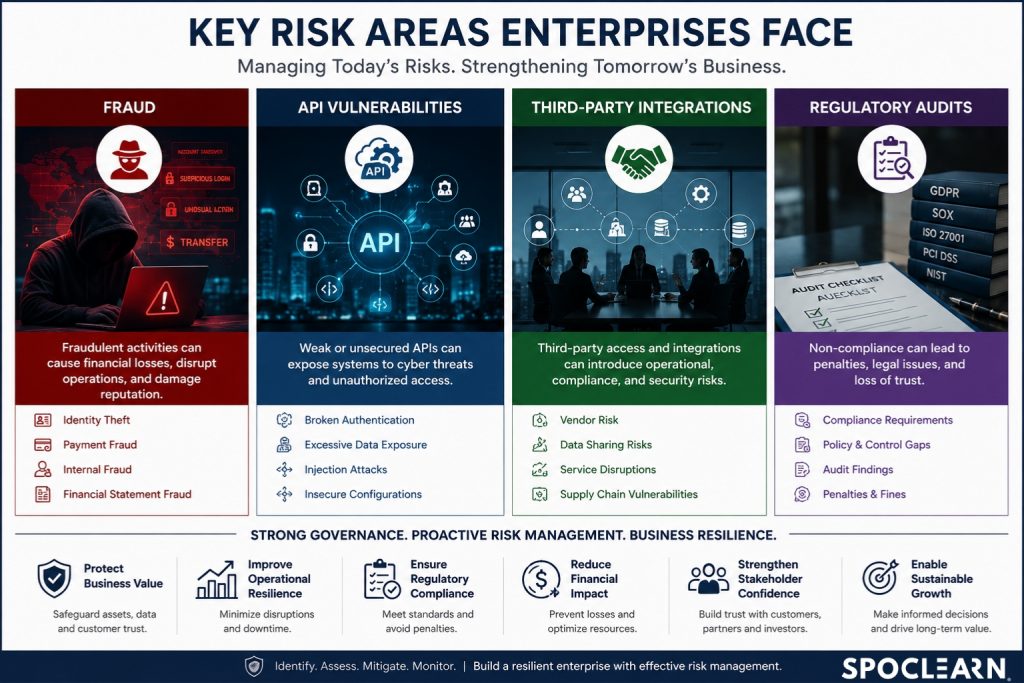
A multinational bank expanding digital payment systems faced increasing risks related to:
- Fraud
- API vulnerabilities
- Third-party integrations
- Regulatory audits
After building a governance team with CRISC-certified professionals, the organization improved:
- Risk reporting visibility
- Audit readiness
- Incident response planning
- Compliance tracking
- Vendor governance
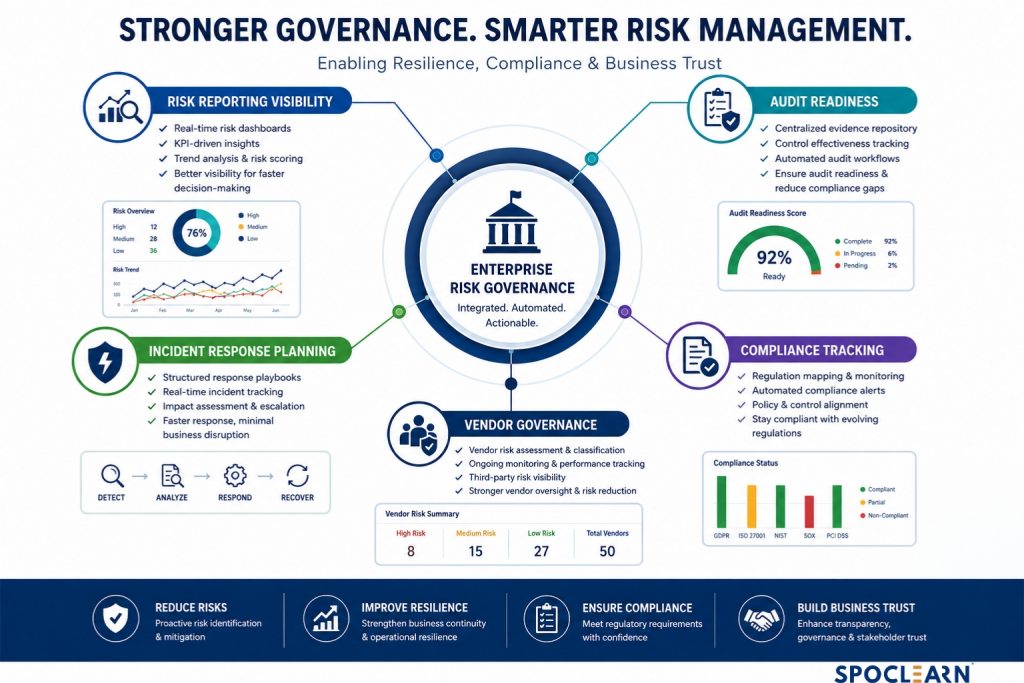
The organization reportedly reduced compliance gaps by nearly 30% within 18 months.
Is CRISC Worth It in 2026?
For professionals aiming for leadership roles in:
- Cybersecurity governance
- Enterprise risk
- Audit
- Compliance
- Information security management
- Digital transformation governance
CRISC remains one of the most strategic certifications available today.
The certification is particularly valuable for:
- Mid-to-senior IT professionals
- Risk managers
- Audit professionals
- Security leaders
- Compliance specialists
- Governance consultants
FAQs
1. What is the average salary after CRISC certification in 2026?
The average salary for CRISC-certified professionals in 2026 ranges from $110,000 to $185,000 globally depending on experience, industry, and country. Senior governance, cybersecurity risk, and GRC leadership roles in banking, cloud security, and consulting often exceed $220,000 annually.
2. Is CRISC certification worth it for cybersecurity and risk management careers?
Yes. ISACA CRISC certification is highly valuable for professionals working in cybersecurity governance, enterprise risk management, compliance, audit, and cloud security. Organizations worldwide increasingly prefer CRISC-certified professionals for leadership roles involving cyber risk, governance, and business resilience.
3. Which countries have the highest demand for CRISC-certified professionals in 2026?
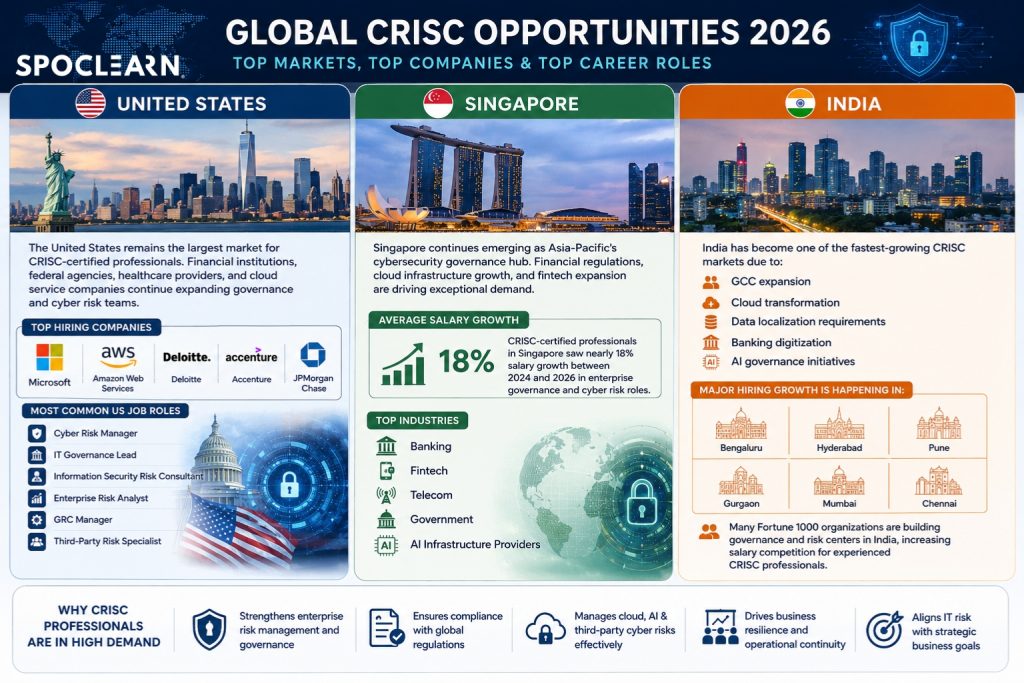
The highest demand for CRISC-certified professionals in 2026 is in the United States, Singapore, India, UAE, Canada, Australia, Germany, Switzerland, and the United Kingdom. These regions are heavily investing in cybersecurity governance, AI risk management, compliance, and enterprise resilience initiatives.
4. What jobs can I get after completing CRISC certification?
After earning CRISC certification, professionals commonly move into roles such as IT Risk Manager, Cyber Risk Consultant, GRC Analyst, Information Security Manager, Enterprise Risk Specialist, Compliance Manager, Cloud Governance Lead, and Third-Party Risk Manager across global enterprises and consulting organizations.
5. How difficult is the ISACA CRISC certification exam in 2026?
The ISACA CRISC certification exam is considered moderately advanced because it focuses on enterprise risk governance, cybersecurity controls, compliance frameworks, and business resilience. Professionals with experience in IT audit, governance, security, or risk management generally perform better during preparation and examination.
Conclusion
The ISACA CRISC continues to emerge as one of the most valuable cybersecurity and governance credentials for professionals managing enterprise risk, compliance, digital transformation, AI governance, and cyber resilience initiatives globally. Organizations across banking, healthcare, government, telecom, manufacturing, fintech, and cloud technology sectors are actively hiring CRISC-certified professionals to strengthen governance frameworks, reduce cyber risks, and improve operational resilience. With rising cybersecurity threats and stricter regulations worldwide, CRISC-certified experts are expected to remain in exceptionally high demand through 2030 across multiple leadership and strategic enterprise roles globally.
Professionals searching for high-paying cybersecurity careers, governance risk and compliance jobs, IT risk management certifications, cyber risk analyst roles, and enterprise security leadership opportunities increasingly prefer CRISC certification because of its strong business and technology alignment. Countries including the United States, Singapore, Canada, Australia, Germany, UAE, Switzerland, and India continue witnessing rapid salary growth for skilled CRISC professionals across industries. As enterprises prioritize digital trust, AI security governance, and cloud risk management, CRISC certification remains a future-ready credential for sustainable career growth, executive leadership opportunities, and long-term global employability in cybersecurity governance domains.