


Agile has transformed the way modern businesses manage projects, driven by the core values and principles outlined in the Agile Manifesto. It emphasizes iterative development, customer collaboration, and adaptability to change. Agile methodologies encompass various frameworks, and Scrum is one of the most popular among them.
Scrum, rooted in the principles of transparency, inspection, and adaptation, provides a structured approach to developing products incrementally. It defines distinct roles, events, and artifacts to ensure optimal team collaboration. The roles of the Scrum Master, Product Owner, and Development Team are crucial, each playing an essential part in maximizing value delivery. Key Scrum events include Sprint Planning, Daily Stand-ups, Sprint Review, and Sprint Retrospective. The artifacts—Product Backlog, Sprint Backlog, and Increment—serve to visualize progress and manage requirements. Though Agile and Scrum are often used interchangeably, understanding Scrum as a framework within Agile is key to comprehending their differences.
Agile Scrum Foundation Certification from EXIN
The EXIN Agile Scrum Foundation certification provides foundational knowledge of key Agile principles and the globally acknowledged Scrum framework, making it an excellent starting point for professionals new to Agile methodologies. It is governed by EXIN, a global leader in IT certification. The course covers the essentials, focusing on Agile project management, Scrum roles, and effective use of Scrum artifacts.
EXIN plays a pivotal role in establishing global standards, ensuring the Agile Scrum Foundation certification meets the demands of today’s dynamic IT and project management industries. This certification is recognized internationally, validating a professional’s understanding of Agile and Scrum concepts. It significantly benefits individuals seeking career advancement and organizations aiming to enhance their teams’ project management capabilities with Agile methodologies.
Scrum Framework Components
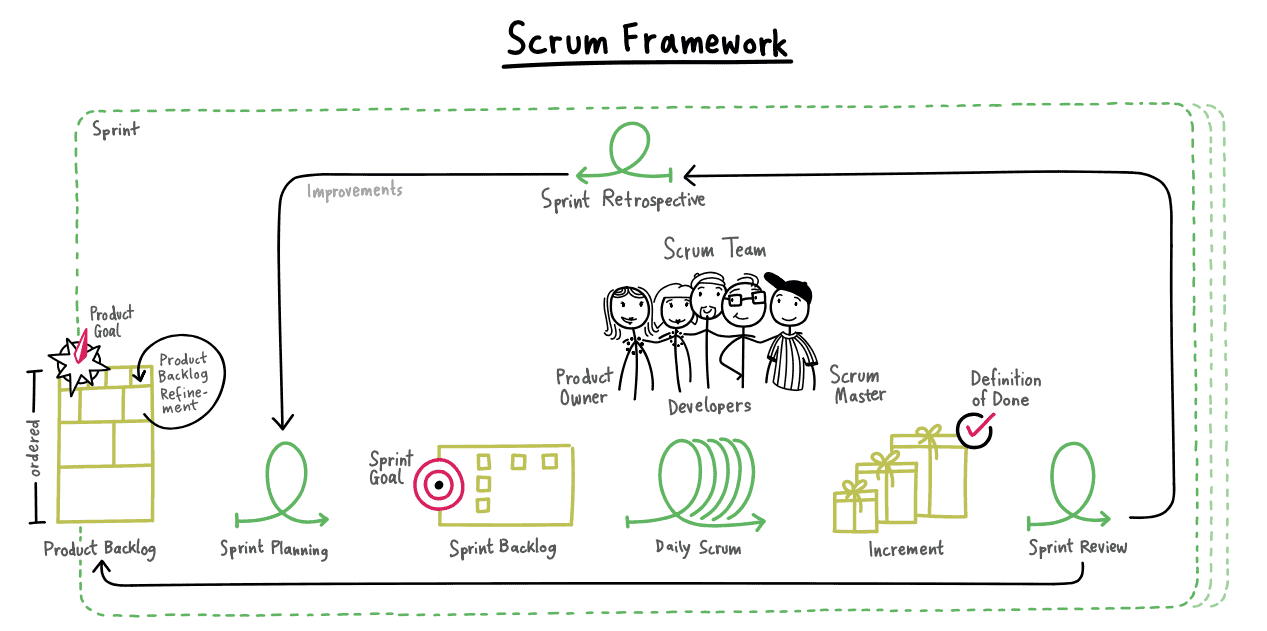
Scrum operates within a structured framework designed to promote efficient collaboration, continual improvement, and effective delivery. The key components of this framework include roles, events, and artifacts.
Roles and Responsibilities:
- Product Owner: This is one of the critical roles that represents the customer and defines the vision for the product. The Product Owner manages the Product Backlog, prioritizing features to ensure maximum value delivery.
- Scrum Master: Facilitates the Scrum process, ensuring adherence to Scrum principles. They help resolve impediments, foster collaboration, and coach the team.
- Development Team: Cross-functional team members responsible for delivering the product increment within each sprint. They have the autonomy to organize and manage their work.
Scrum Events:
- Sprint Planning: It marks the beginning of each sprint, where the team commits to deliverable work items.
- Daily Stand-ups: Short daily meetings for the team to synchronize efforts and report progress.
- Sprint Review: Reviews completed work with stakeholders, providing an opportunity for feedback and future adjustments.
- Sprint Retrospective: Reflects on the team’s processes, discussing what went well and identifying improvements for the next sprint.
Scrum Artifacts:
- Product Backlog: This is a prioritized list of product features and requirements.
- Sprint Backlog: It is the subset of the Product Backlog that is chosen for the current sprint.
- Increment: It is the sum of all completed work items, representing progress toward the final product.
These components align the team with a common vision, fostering transparency and adaptability throughout the project.
Agile Project Management
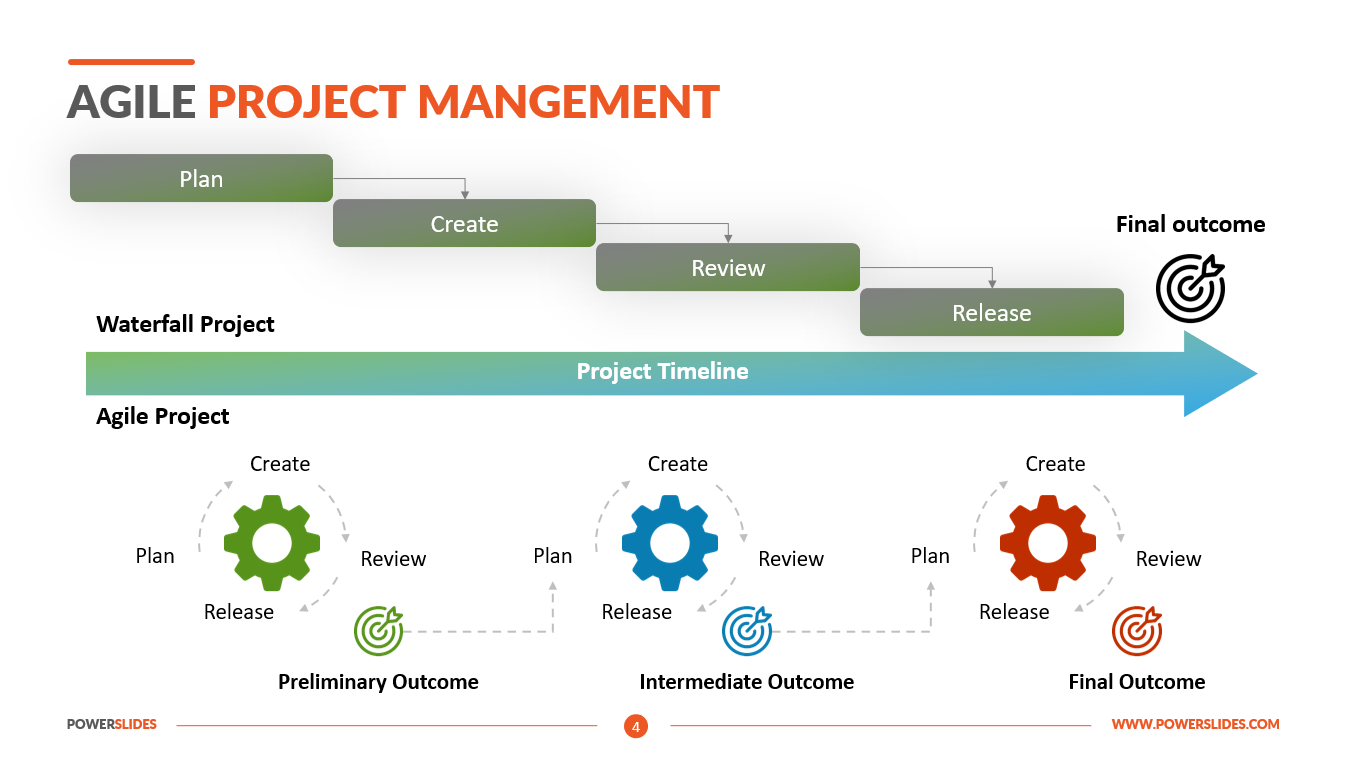
Effective Agile project management ensures that teams are consistently delivering value, driven by customer requirements and ongoing feedback.
Sprint Planning and Execution: The Agile process starts with Sprint Planning, where teams select work items from the Product Backlog to be completed during the sprint. Backlog grooming, prioritization, and accurate story point estimation are essential for aligning team capacity with sprint goals. Throughout execution, teams remain focused on completing prioritized work within the sprint’s timebox.
Agile Metrics: Metrics like velocity (the team’s ability to complete work in a sprint) and burn-down/burn-up charts (visual progress tracking) are crucial. Velocity helps gauge a team’s capacity, while burn-down/burn-up charts reflect the amount of work completed or remaining, aiding in accurate project forecasting.
Continuous Improvement: Agile encourages teams to embrace the Kaizen (continuous improvement) philosophy. Retrospectives provide an opportunity to analyze past performance, identify areas for improvement, and refine processes. Daily Stand-ups also allow for immediate adjustments.
Adopting these principles ensures that teams deliver value continuously while maintaining the flexibility to adapt to changing customer needs.
EXIN Agile Scrum Foundation Certification Exam Preparation
Preparing for the EXIN Agile Scrum Foundation certification exam requires strategic planning and an understanding of the exam format. The exam consists of multiple-choice questions covering Agile principles and Scrum framework concepts. Candidates are given 60 minutes to answer 40 questions and need at least 65% to pass.
A comprehensive study plan involves understanding core topics like Scrum roles, events, and artifacts. Recommended reading materials include the official Scrum Guide and other foundational resources covering Agile methodologies. Candidates can practice with sample questions and taking mock exams are essential steps to simulate the real test environment.
EXIN’s exam registration is straightforward. Candidates can register directly on their website or through accredited training providers like Spoclearn. Preparing well ensures a solid understanding of Agile and Scrum, leading to a successful certification.
Agile Tools and Techniques
Modern Agile teams often rely on software tools to manage their work effectively. Jira, Trello, and Asana are popular choices, each supporting Scrum boards and sprint track.
- Jira: Provides comprehensive backlog management, sprint planning, and real-time reporting features. Teams can visualize workflow through customizable Kanban or Scrum boards.
- Trello: A highly visual tool with flexible lists and cards. It allows teams to manage tasks, prioritize work, and track progress through drag-and-drop functionality.
- Asana: Focuses on project collaboration, enabling task assignments and tracking while promoting transparency.
Techniques for Collaboration: Writing user stories with clear acceptance criteria, defining Definition of Done (DoD), and Definition of Ready (DoR) help teams understand when work items are ready for development and meet quality standards. Cross-functional teams, empowered to collaborate effectively, can improve product quality and reduce bottlenecks.
Career Prospects and Benefits for Agile Scrum Foundation Certified Professionals
1. Individual Benefits: Certified professionals in Agile Scrum Foundation can advance as project managers, business analysts, and team leads. Employers increasingly seek these skills due to the global shift towards Agile practices. The certification validates expertise, opening doors to rewarding opportunities in software development, product management, and business analysis.
2. Enterprise Benefits: Agile Scrum practices offer enterprises faster project delivery, enhanced productivity, and improved product quality. By fostering iterative and incremental development, teams are better equipped to meet market demands and adapt to changes.
3. Global Recognition: The Agile Scrum Foundation certification is globally recognized, allowing professionals to stand out. It demonstrates a firm understanding of core Agile principles and Scrum practices, applicable across various sectors.
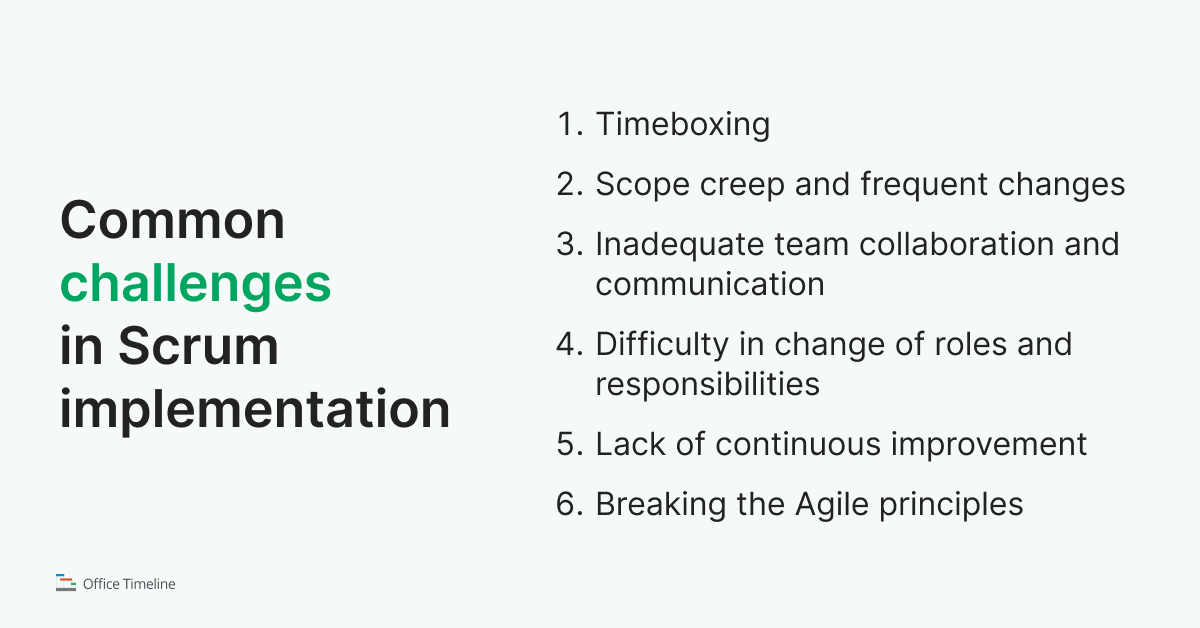
4. Scrum Implementation Challenges: Despite its popularity, implementing Scrum comes with challenges. Resistance to change is common, particularly among traditional management structures. Lack of collaboration and role confusion can undermine team productivity.
5. Solutions and Best Practices: Successful Scrum adoption requires incremental implementation. To identify gaps and refine processes, begin by piloting Scrum in a small project. Continuous coaching from an experienced Scrum Master ensures teams align with Agile principles. Stakeholder engagement throughout the process builds support for changes and clarifies roles.
Conclusion and Next Steps
The Agile Scrum Foundation certification training is a critical first step toward mastering Agile methodologies. Consider advancing to higher-level certifications like Agile Scrum Master or Agile Scrum Product Owner to enhance your expertise further. Supplement your knowledge with webinars and practical projects to reinforce your Agile and Scrum skills.