


In the pursuit of efficiency and excellence, Lean Six Sigma has long been hailed as a transformative methodology within the realms of business and industry. But what if we were to extend its principles into our daily lives? What if we could apply its rigorous methodologies from household chores to personal development? This article aims to explore just that, offering unique insights and practical examples of how Lean Six Sigma can be seamlessly integrated into our daily routines, fostering continuous improvement and optimization.
Introduction to Lean Six Sigma
Before delving into specific examples, let’s briefly recap the core principles of Lean Six Sigma. Combining the philosophies of Lean Manufacturing and Six Sigma, this methodology emphasizes the relentless pursuit of perfection through the elimination of waste and variation. Lean focuses on streamlining processes and eliminating non-value-added activities, while Six Sigma aims to reduce defects and variations within those processes. Organizations invest a lot in Quality Management Training programs which include Lean Six Sigma Green Belt, Root Cause Analysis, Kaizen, Quality by Design, and Lean Six Sigma Yellow Belt.
Section 1: Streamlining Household Chores
Example 1: Optimizing Laundry Efficiency
| Task | Current Process | Lean Six Sigma Improvement |
|---|---|---|
| Laundry | Separate, Wash, Dry, Fold, Put Away | Implement batch processing for similar fabric types |
| Streamline folding process using folding boards | ||
| Create designated storage areas for each family member |
Laundry is a ubiquitous chore in many households, often prone to inefficiencies and time wastage. By applying Lean Six Sigma principles, such as batch processing and standardized workflows, one can significantly enhance the efficiency of this task. Implementing designated storage areas can also eliminate the time spent searching for misplaced items, further optimizing the process.

Example 2: Enhancing Meal Preparation
| Task | Current Process | Lean Six Sigma Improvement |
|---|---|---|
| Meal Preparation | Recipe Selection, Grocery Shopping, Cooking | Utilize meal planning apps for streamlined grocery lists |
| Standardize cooking procedures for common dishes | ||
| Implement FIFO (First In, First Out) inventory system |
Meal preparation often involves multiple steps and can be a source of stress for many individuals. By leveraging Lean Six Sigma methodologies, such as standardized procedures and inventory management techniques, one can transform this chore into a more systematic and enjoyable experience. Utilizing meal planning apps can also aid in optimizing grocery shopping trips, reducing waste and unnecessary expenses.

Section 2: Personal Development and Growth
Example 3: Time Management
| Task | Current Process | Lean Six Sigma Improvement |
|---|---|---|
| Time Management | To-Do Lists, Prioritization, Time Blocking | Conduct time audit to identify time sinks |
| Utilize the Pomodoro Technique for focused work sessions | ||
| Conduct a time audit to identify time sinks |
Effective time management is crucial for personal productivity and success. By applying Lean Six Sigma principles, such as process analysis and continuous improvement, individuals can identify inefficiencies in their daily routines and implement strategies for optimization. The use of time management techniques like the Eisenhower Matrix and the Pomodoro Technique can enhance focus and productivity, leading to greater achievement of goals.

Example 4: Financial Planning
| Task | Current Process | Lean Six Sigma Improvement |
|---|---|---|
| Financial Planning | Budgeting, Expense Tracking, Savings Goals | Utilize budgeting apps for automated expense tracking |
| Implement SMART (Specific, Measurable, Achievable, | ||
| Relevant, Time-bound) goals for savings objectives | ||
| Conduct periodic reviews to assess progress |
Financial stability is a cornerstone of personal well-being and security. By applying Lean Six Sigma methodologies to financial planning, individuals can establish structured processes for budgeting, expense tracking, and goal setting. Leveraging technology through budgeting apps can streamline the tracking of expenses, while the use of SMART goals ensures clarity and accountability in savings objectives. Regular reviews and adjustments allow for continuous improvement in financial management practices.

Section 3: Improving Home Organization
Example 5: Decluttering and Organizing
| Task | Current Process | Lean Six Sigma Improvement |
|---|---|---|
| Decluttering | Sorting, Donating, Discarding | Implement 5S methodology (Sort, Set in order, Shine, Standardize, Sustain) |
| Utilize Marie Kondo’s KonMari method for decision-making | ||
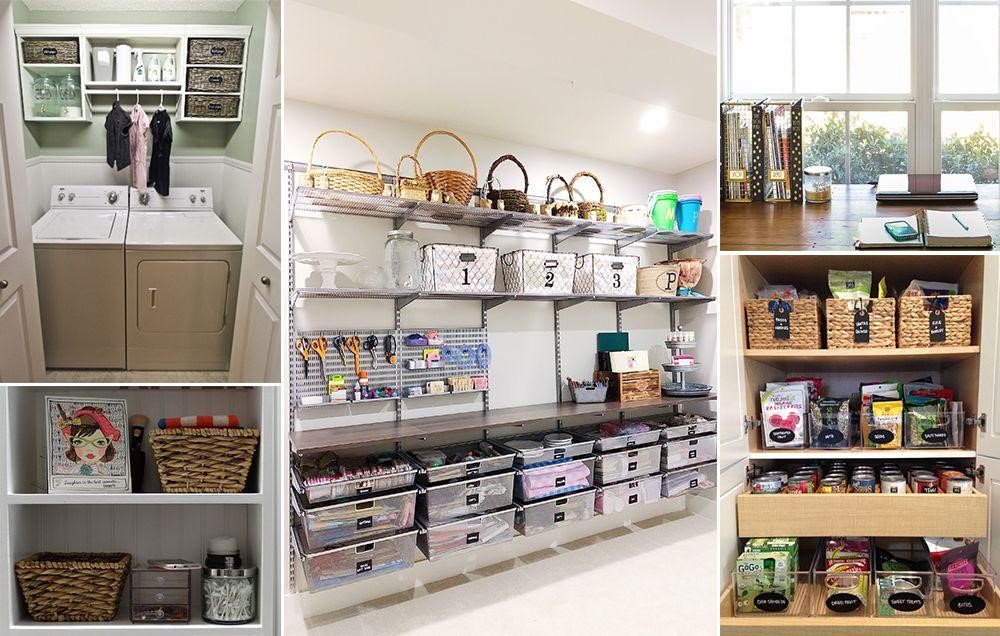
| Organizing | Categorizing, Containerizing | Use clear storage containers for easy identification |
| Labeling systems for efficient retrieval of items |
Maintaining a clutter-free and organized home environment can contribute to a sense of peace and well-being. Applying Lean Six Sigma principles, such as the 5S methodology, can facilitate the decluttering and organizing process by providing a structured approach. Techniques like the KonMari method offer guidance on decision-making, ensuring that possessions align with one’s values and spark joy. Utilizing clear storage containers and labeling systems enhances visibility and accessibility, further optimizing home organization efforts.
Section 4: Fitness and Health Optimization
Example 6: Workout Planning and Tracking
| Task | Current Process | Lean Six Sigma Improvement |
|---|---|---|
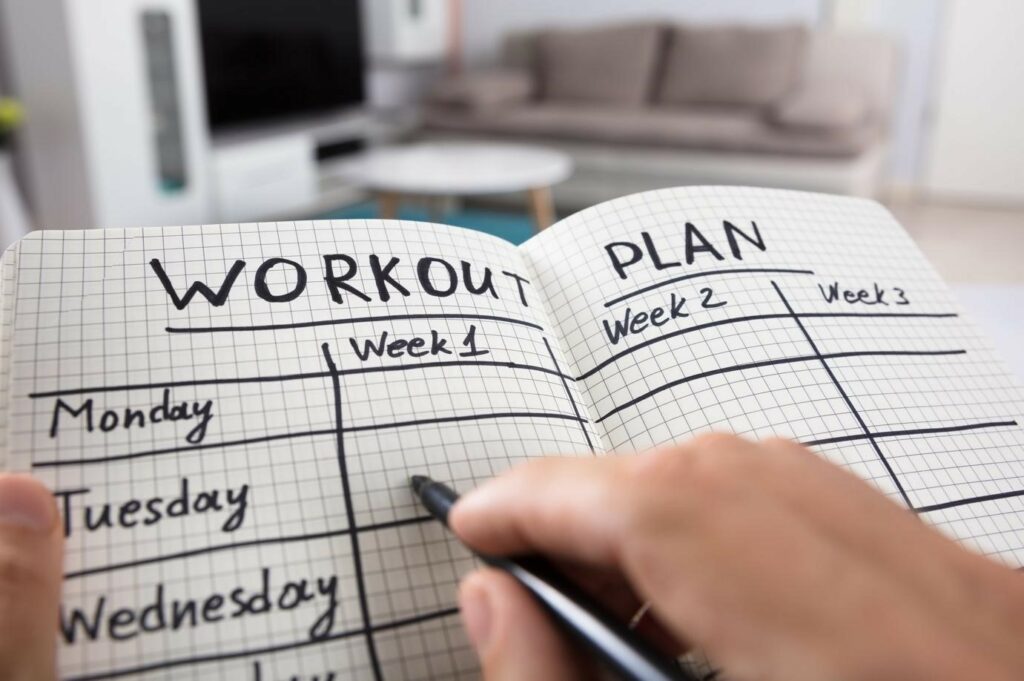
| Workout Planning | Goal Setting, Exercise Selection | Establish SMART goals for fitness objectives |
| Utilize workout tracking apps for progress monitoring | ||
| Implement varied exercise routines for muscle confusion | ||
| Workout Execution | Warm-up, Main Workout, Cool-down | Time-based intervals for efficient workouts |
| Circuit training for simultaneous strength and cardio training |
Achieving fitness and health goals requires careful planning and execution. By applying Lean Six Sigma methodologies, individuals can optimize their workout routines for maximum effectiveness. Setting SMART goals ensures specificity and measurability, while workout tracking apps provide real-time feedback on progress. Incorporating varied exercise routines prevents plateaus and promotes overall fitness. Structuring workouts with time-based intervals and circuit training optimizes time and effort, facilitating greater gains in strength and endurance.
Section 5: Environmental Sustainability
Example 7: Reducing Household Waste
| Task | Current Process | Lean Six Sigma Improvement |
|---|---|---|
| Waste Management | Recycling, Composting, Waste Reduction | Conduct waste audit to identify areas for improvement |
| Conduct a waste audit to identify areas for improvement | ||
| Reduce single-use plastics through reusable alternatives |
Promoting environmental sustainability begins at home, where small changes can have significant impacts. By applying Lean Six Sigma principles to waste management, individuals can identify opportunities for reducing household waste. Conducting a waste audit highlights areas for improvement while implementing composting systems diverts organic waste from landfills. Transitioning to reusable alternatives for single-use plastics reduces environmental impact and promotes a more sustainable lifestyle.

Conclusion
Embracing Lean Six Sigma principles in daily life offers a holistic approach to quality improvement, encompassing aspects such as home organization, fitness optimization, and environmental sustainability. By adopting structured methodologies and continuous improvement practices, individuals can enhance efficiency, productivity, and overall well-being in every facet of their lives. From streamlining household chores to promoting environmental stewardship, the principles learned via Lean Six Sigma Training provide a framework for creating positive change and fostering a culture of excellence in daily routines.