
Trending Now

Lean Six Sigma Templates Pack: SIPOC, CTQ, Fishbone, Control Plan, A3 (Free Guide)
Power Query in Power BI: Top Real-World Problems, Errors & Solutions for Data Analysts
Power Query Best Practices 2026: Faster Refresh, Cleaner Models, Fewer Errors
Step-by-Step CISA Certification Roadmap for 2026 (Beginner to Expert)
Top ITIL Roles in the USA for 2026 With ITIL v5 Skills
PMP vs Agile vs PRINCE2 in the USA: Which Certification Delivers the Best Career Growth in 2026?
Agile in CAPM: What PMI Expects You to Know (Scrum, Kanban, Hybrid Basics)
Power Query vs Traditional Excel: The Future of Data Cleaning, Reporting & Automation in 2026
ITIL 4 to ITIL 5 Transition Guide: Bridge Certification, Costs, Deadlines & Strategic Upgrade Plan
CAPM Exam Mistakes to Avoid: The Top Reasons Candidates Fail and How to Fix Them
Why Global Construction and Infrastructure Companies Depend on Oracle Primavera P6
Top SRE Challenges in 2026: Toil, Tool Overload & How Organizations Can Fix Reliability Gaps
From Chaos to Control: How PMP Frameworks Help Organizations Deliver Projects On Time and Within Budget
From Beginner to Agile Pro: Step-by-Step Roadmap with Agile Scrum Foundation Certification
What Is CRISC Certification in 2026? Updated ISACA Exam, Domains, Skills & Career Value Explained
Struggling with Process Inefficiencies? How LSSGB Solves Workflow Bottlenecks in 2026
SIAM in 2026: How to Fix Multi-Vendor Chaos and Achieve End-to-End Service Accountability (EXIN SIAM BoK V3 Guide)
CISM Certification 2026 Update: What’s Changing in ISACA’s New Exam Structure (Nov 2026)
Step-by-Step Guide to Master Primavera P6 for Project Managers (2026 Edition)
Oracle Primavera P6 Training Guide (2026): Skills Every Project Professional Must Master
What’s New in PMP 2026? Key PMI Updates, Exam Pattern Changes & What It Means for Your Career
PRINCE2 7 Processes Explained (2026): A Step-by-Step Walkthrough from Start to Close
Who Should Take the ITIL V5 Bridge Course? Eligibility, Benefits & ROI Explained
PL-300 Practice Questions 2026: 60 Scenario-Based Questions with Explanations
From Beginner to Expert: The Ultimate Oracle Primavera P6 Learning Path for Project Professionals
ITIL v5 Framework Guide: Core Concepts, Principles, and Real-World Applications
Agile Scrum Foundation vs Scrum Master: Which Certification Should You Choose in 2026?
CRISC® Certification Guide 2026: Syllabus, Exam Pattern, Salary & Career Growth Explained
PMI-PBA® Certification in 2026: Complete Guide, Career Scope, Salary & Industry Demand
CISA Exam Changes & Syllabus Breakdown (2026 Update + Study Strategy)
CISM Certification Roadmap 2026: Step-by-Step Guide to Becoming a Security Manager
Lean vs Six Sigma vs Lean Six Sigma: What’s the Difference and When to Use Each?
AI and PRINCE2 7th Edition: What PMs Must Know
Performance Max Campaign Performance Dropped? Here’s the Real Reason (And Fix)
ITIL v5 Trends: What IT Leaders Must Know About the Next Phase of ITSM
Why Oracle Primavera P6 Certification Is Becoming Essential for Project Managers in 2026
PRINCE2 7 Roles & Responsibilities: Who Does What (Project Board to Team Manager)
Stakeholder Engagement Strategies That Actually Deliver Results
The Future of Project Management: Trends Reshaping 2025–2030 
CAPM Exam Prep Strategy 2026: Practice Questions, Mock Tests, and Time Management
ITIL 4 vs ITIL (Version 5): The Global, No‑Fluff Guide to What’s New, What Stays, and How to Transition
ITIL 5 Certification Demand and Job Market Trends: Complete Career Guide (2026)
ITIL v5 Job Roles Explained: From Service Desk Analyst to IT Service Manager
PL-300 DAX Questions You Must Master in 2026 (With Patterns)
How to Write an RCA Report That Actually Prevents Repeat Incidents (Templates + Examples)
Digital Transformation Projects: Why They Fail & How to Fix Them
PMI’s Late-2026 PMP® Policy Update Will Reject Most Live Training Hours — Here’s How to Protect Your 35 Contact Hours  
Why Are My Pages Not Indexed Even After Sitemap Submission? (And How to Fix It)
Minitab for Lean Six Sigma (2026): The Only Functions Most Belts Actually Need
Top 10 Project Scheduling Tools for PMP & PRINCE2 Aspirants (2026 Guide)
SIPOC Made Simple: How to Map a Process in 20 Minutes (with Examples)
PL-300 vs DP-600 vs DP-500 in 2026: Which Certification Should You Take First?
Portfolio Management Mastery: Why PfMP and PgMP Are Rising in Demand (2026)
How to Build a “Closed-Loop” CAPA System Using RCA (So Fixes Don’t Die in Docs)
Yellow Belt vs Green Belt vs Black Belt: Which Lean Six Sigma Level Should You Choose in 2026?
DMAIC Explained (2026): The Step-by-Step Method to Fix Any Process
PRINCE2 7 Tailoring Guide (2026): How to Adapt the Method for Any Project Size
Google Ads vs SEO in 2026: Which Should You Invest In First?
Process Mining + Lean Six Sigma: The 2026 Playbook for Faster, Data-Driven DMAIC
CAPM vs PMP in 2026: Which Certification Should You Choose (and When)?
PRINCE2 7 Certification Path: Foundation → Practitioner → Next Steps (2026 Roadmap)
Oracle Primavera P6 Training Roadmap (2026): From Beginner to Project Controls Expert
AI Overviews & AI Mode SEO: How to Win Visibility When Google Answers First
RCA vs 5 Whys vs Fishbone vs 8D vs A3: When to Use Which (Decision Framework)
PL-300 Case Study Walkthrough: From Raw Data to Executive Dashboard (End-to-End)
PRINCE2 7 Foundation: Complete Exam Guide, Format, Pass Mark, and Study Plan (2026)
Lean Six Sigma Yellow Belt: The 2026 Beginner Guide (Tools, Examples, Real Workplace Use)
Technical SEO Audit 2026: The Only Checklist That Still Matters
Content Refresh Strategy 2026: How to Update Old Pages for New Traffic
CAPM Exam Content Outline Explained: Domains, Weightage, and What to Study First
GA4 Setup Guide 2026: Step-by-Step for Accurate Tracking
From Keywords to Answers: How Search Works in 2026 
CAPM Certification 2026: The Complete Exam + Training Guide (PMI-Updated)
Traditional SEO vs Answer-First SEO: What Actually Ranks in 2026
ITSM Evolution: From Monolithic Systems to Cloud‑Centric Architectures (2026)
How to Run High-Performance Retargeting Campaigns Using AI
Project Leadership in 2026: Skills Every Successful Project Manager Needs
Technical SEO for 2026: Crawl Optimization, Log Analysis & AI Indexing Signals
Top 12 Project Management Mistakes and How to Avoid Them
PRINCE2® 7 (2026 Guide): What’s New, What Changed, and Why It Matters
Lean Six Sigma in 2026: What’s Changed (AI, Automation, Process Intelligence) & What Still Works
Root Cause Analysis in 2026: The Modern RCA Playbook for Faster, Repeatable Fixes
ITIL Is for Everyone and for Every Organization: A Deep‑Dive Playbook (2026)
Social Media Algorithms Explained (2026 Edition): What Actually Drives Reach Today
PL-300 Exam Guide 2026: Skills Measured, Study Plan, and What’s Changed
LLMS.txt vs Robots.txt in 2026: What to Implement (and What to Avoid)
SEO in 2026: The Complete Playbook for AI Search, AEO & GEO
Google Ads Audits in 2026: A Step-by-Step Checklist to Fix Wasted Spend and Unlock Growth
AI-Driven Risk Management: Predict Risks Before They Happen
On-Page SEO 2026: New Techniques for Topical Relevance & AI Search
Hybrid Project Management: Why Organizations Are Transitioning in 2026 and Beyond
AI-Powered Project Planning: Faster, Smarter, and More Accurate Strategies 
Industry Predictions for 2026: From GenAI to Value Streams and Total Experience
PMP vs CAPM vs PRINCE2: Which Certification Offers the Best ROI in 2026?
AI in Project Management: How Intelligent Tools Are Transforming PM Workflows 
Performance Max Mastery: How to Scale ROI with Smart Automation 
What is SAFe RTE? (Release Train Engineer)
SAFe RTE: The Complete Guide to Becoming a High-Impact Release Train Engineer (2025–2026)
Time Management: How to Turn Hours into Impact
Lean Six Sigma Green Belt: Skills, Value, Demand & Global Trends 2026
Role of Big Data in Modern Business

The Role of Big Data on Today’s Business Strategies

Picture of Stefan Joseph
Stefan Joseph
Stefan Joseph is a seasoned Development and Testing and Data & Analytics, expert with 15 years' experience. He is proficient in Development, Testing and Analytical excellence, dedicated to driving data-driven insights and innovation.

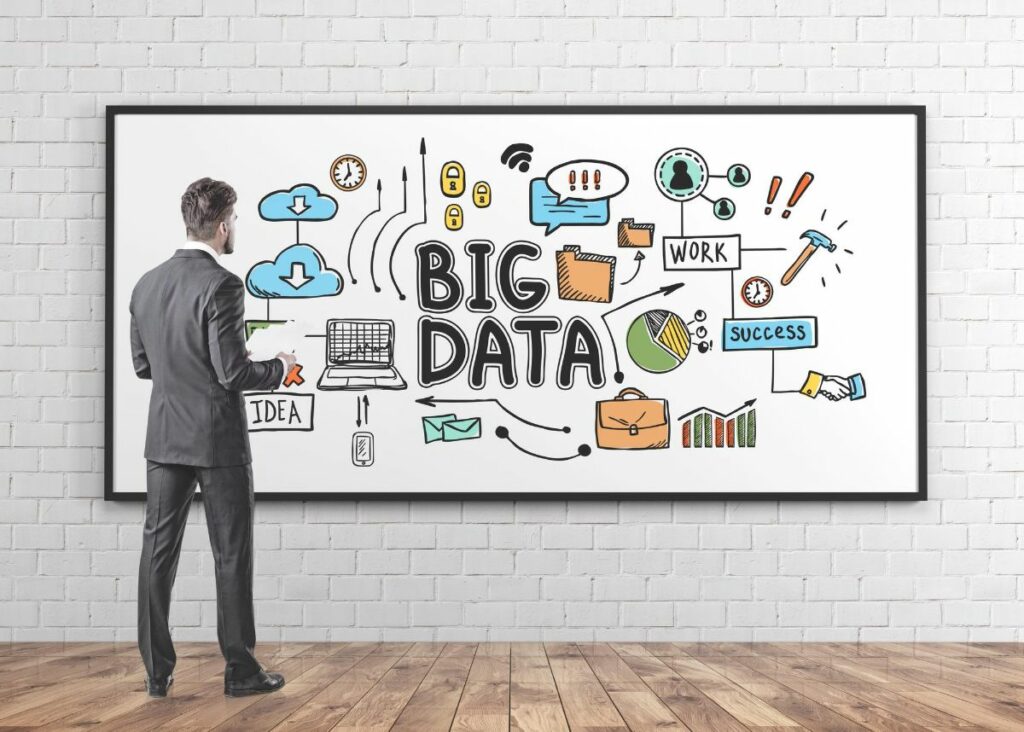
People talk about stuff they like on social media and complain about bad customer service on forums. Also, websites like news portals and industry magazines share cool info about your business area. Sorting through all that data can be hard, but Big Data Analytics can make it easier for companies. This post will examine how Big Data helps businesses with their strategies and personalized marketing. The right data, when presented well and analyzed correctly, can help a business achieve many different goals.

What is Big Data Analytics?

Big Data Analytics refers to the process of examining large and complex data sets to uncover hidden patterns, correlations, trends, and other useful insights. It involves employing advanced techniques and technologies to analyze structured and unstructured data, which may come from various platforms including, social media, sensors, devices, transaction records, and more. 

Big data analytics empowers organizations to extract valuable information from massive datasets that traditional data processing methods cannot handle efficiently. By leveraging these insights, businesses can make data-driven decisions, improve operational efficiency, enhance customer experiences, innovate products and services, and gain a competitive edge in the marketplace.

Big Data Analytics in Business

Big data analytics in business involves leveraging sophisticated analytical techniques and technologies to analyze large and diverse datasets, whether they originate from internal processes or external sources. This entails collecting, storing, processing, and interpreting massive amounts of both structured and unstructured data to extract critical insights crucial for informed decision-making.

In practical business terms, the utilization of big data analytics enables organizations to:

  • Gain Strategic Insights: Extract actionable insights regarding customer behaviors, market trends, and operational efficiencies to guide strategic decision-making.

  • Enhance Operational Efficiency: Identify and address inefficiencies across business operations, supply chain management, and resource allocation for improved performance and cost-effectiveness.

  • Elevate Customer Experience: Tailor marketing initiatives, product offerings, and customer service interactions to meet the specific needs and preferences of target audiences, thereby fostering stronger customer relationships and loyalty.

  • Drive Innovation: Identify emerging market trends, consumer demands, and areas for product/service enhancement through comprehensive data analysis, facilitating proactive innovation and market leadership.

  • Manage Risks Proactively: Employ predictive analytics and real-time monitoring to detect and mitigate potential risks, including fraud, cybersecurity threats, and market volatility, safeguarding business interests and continuity.

The Role of Big Data in Modern Business

Big data is like having a giant puzzle with millions of pieces, and modern businesses are using special tools to put those pieces together to see the big picture. It is helping modern businesses grow strategically by providing valuable insights, improving operational efficiency, predicting future trends, and enabling personalized approaches to marketing and customer service. It’s like having a superpower that helps businesses stay competitive and successful in today’s fast-paced and data-driven world. 

How Big Data Helping Modern Business Grow Smarter

1. Understanding Customers Better

Businesses can collect and analyze data from websites, social media, and sales records to understand what customers like, dislike, and want. This helps them tailor products and services to meet customer needs more precisely.

2. Spotting Trends Early

By analyzing huge amounts of data, businesses can spot trends and changes in the market before they become obvious. This allows them to adapt quickly, stay ahead of competitors, and offer what customers are looking for before others do.

3. Improving Operations

Big data helps businesses to see where they can improve their processes and operations. For example, it can show where there is wastage, inefficiency, or bottlenecks in production or delivery, allowing organizations to streamline operations and reduce overall costs.

4. Predictive Insights

Big data analytics helps businesses to predict future trends and behaviors based on previous patterns. This helps businesses make more accurate forecasts about demand, sales, and customer behavior, allowing them to plan and allocate resources more effectively.

5. Personalized Marketing

With big data, businesses can create highly targeted marketing campaigns based on individual customer preferences, behaviors, and demographics. This personalized approach leads to higher engagement, conversion rates, and customer loyalty.

6. Enhancing Decision-Making

Big data provides businesses with valuable insights and evidence to support decision-making. Instead of relying on intuition or guesswork, decision-makers can use data-driven insights to make better-informed and strategic decisions that are in line with organizational goals.

7. Future of Big Data in Modern Business

Businesses are just starting to understand how powerful data can be for them. When used correctly, data can show how people interact with a business and what customers want. This helps businesses become more effective. Here are some ways data will probably become even more important for business growth in the future.

8. More Data Sources

Even though there are rules about how businesses can collect data from customers online, there are still many ways for businesses to learn about their target audiences. Businesses are finding newer and innovative ways to gather data, which will make data analytics even more useful.

9. Real-Time Analytics

Data analysts will be able to track customers in real time, seeing how they interact with content right away. This can help businesses encourage customers to engage more. For example, a business could send an email when customers visit a pricing page or start a chat when someone finishes watching a product demo. Knowing what customers are doing at the moment can help businesses connect with them better.

10. AI and Machine Learning

Businesses use AI and Machine Learning to provide customers with personalized experiences. For example, chatbots can use data to answer common questions quickly. Automated messages that match what customers are likely interested in can attract them. Being able to respond to customers right away can lead to more sales.

11. Predictive Analytics

Businesses can use past customer behavior to predict what might happen in the future. This helps businesses plan marketing campaigns, send emails, and interact with customers in better ways.

12. Personalized Experiences

Customers like it when businesses give them personalized experiences. They want to feel like more than just a number. With data, businesses can figure out what each customer cares about and make their experiences more special. According to McKinsey, most customers are likely to purchase brands that send personalized messages.

Conclusion

In summary, Big Data is revolutionizing modern business operations by providing unprecedented insights and opportunities for growth. From understanding customer preferences to optimizing operations and predicting market trends, Big Data Analytics enables businesses to make critical informed decisions that help them stay ahead of their competition. By harnessing the power of data, businesses can enhance efficiency, innovate products and services, and deliver personalized experiences that improve customer satisfaction and loyalty to a great extent. As technology continues to evolve, embracing big data is not just advantageous but essential for businesses aiming to thrive in today’s dynamic and competitive landscape.

Leave a Reply

Your email address will not be published. Required fields are marked *

Subscribe us