

Meeting business goals requires a proper chalking out of plans followed by a masterclass execution. This is why the project manager must have a better understanding and knowledge of project management, ranging from fundamental ideas to substantial experience. Global Project Management Software Market size was valued at USD 5.80 billion in 2022 and is poised to grow from USD 6.43 billion in 2023 to USD 14.60 billion by 2031, growing at a CAGR of 10.8% during the forecast period (2024-2031). Having knowledgeable resources with the right project management skills is critical for organizations to take the next leap in this digital economy.
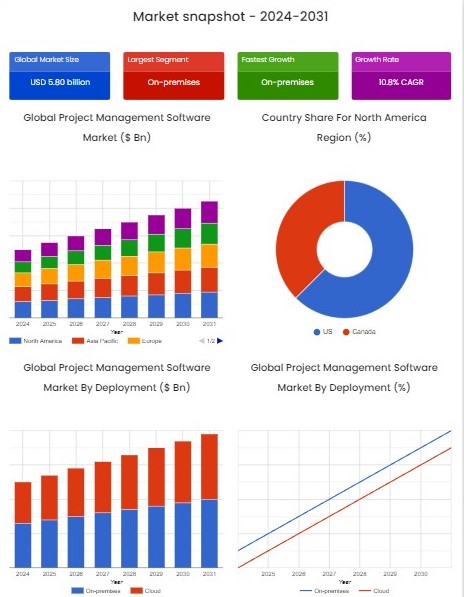
Image source: www.skyquestt.com
If you’re a beginner in Project Management, check out these latest globally-claimed Project Management certifications, freshly brewed for you.
What is Project Management?
Project management is a crucial part of a firm’s operations and work process. It’s a system guided by a precise plan and carried out by a team to achieve a goal, whatever that goal may be. Project management is employed in various industries, each having its distinct style and methods for accomplishing tasks and meeting objectives.
Project management is not a one-size-fits-all thing. You can try out different methods and tricks to achieve the right business goals.
Project management allows you to follow a particular structure to meet all customer requirements. Projects are transient structures that must be managed and regulated appropriately to achieve their stated goals. They are typically administered in a setting where financing and resources are both limited and competitive. Understanding project Management will allow you to handle and be part of challenging and complex projects boost your career, and bag opportunities worldwide.
Basics of Project Management
Project Management is a set of principles, technologies, and processes that help manage and control the implementation of the project. Following are some basics of project management –
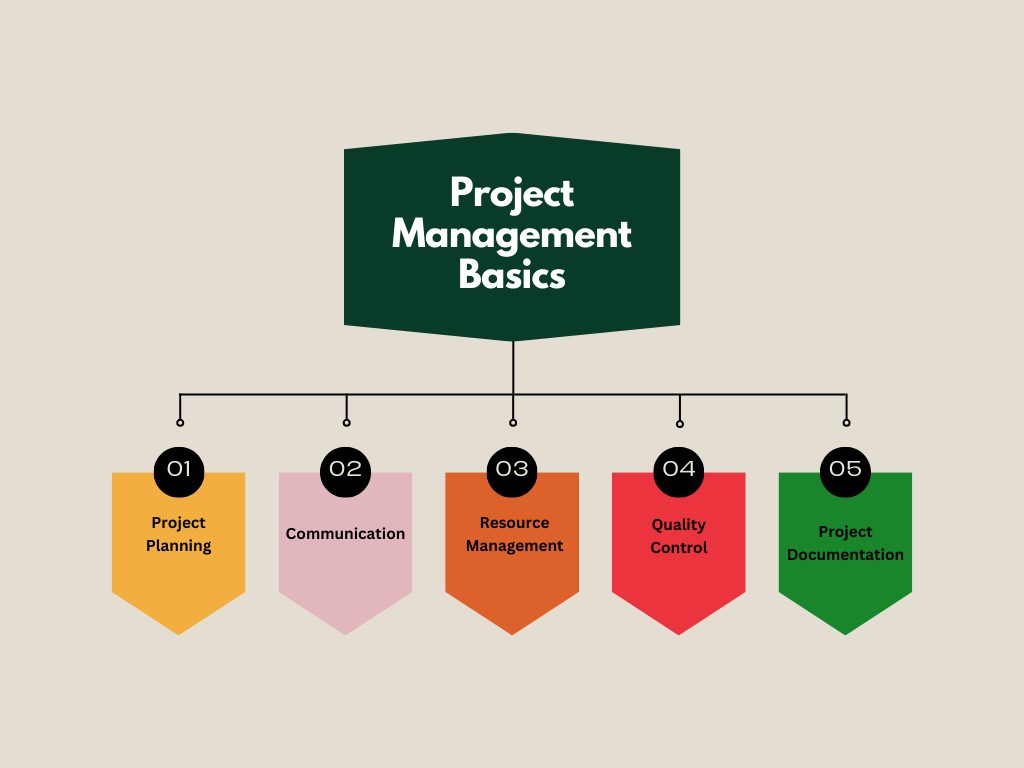
Project planning: creating a project plan that outlines tasks, resources, timelines, and dependencies.
Communication: Develop effective communication channels with team members, stakeholders, etc. to discuss project progress, goals, and corrections or changes.
Resource Management: Identify and issue the essential resources, including equipment, human resources, and materials, to make sure that they are available when the requirement is needed. Some of the industry-recognized Project Management Training courses can help you learn to manage your resources in a better way, which saves you costs in the long run.
Quality Control: Establish quality standards and ensure that project deliverables meet or exceed them. Set up quality control procedures and perform regular inspections or tests.
Maintain detailed project documentation: including plans, progress reports, meeting minutes, and any changes or decisions made. This documentation acts as a reference and aids in the transfer of information.
Why understanding Project Management is Important?
Project Management is important because projects are complex, tricky, and involve various stakeholders. Bringing a project manager to control, manage, and keep everyone on the same page is necessary for project success. The demand for project managers and other roles in this field is in high demand across the globe. Having basic to advanced knowledge regarding project management has become important if you want to push your career to a better side.
Project Management Institute (PMI) has conducted a survey just 58% of organizations recognize the true significance of project management in effectively addressing their challenges. Likewise, a mere 23% of companies implement standardized project management practices universally.
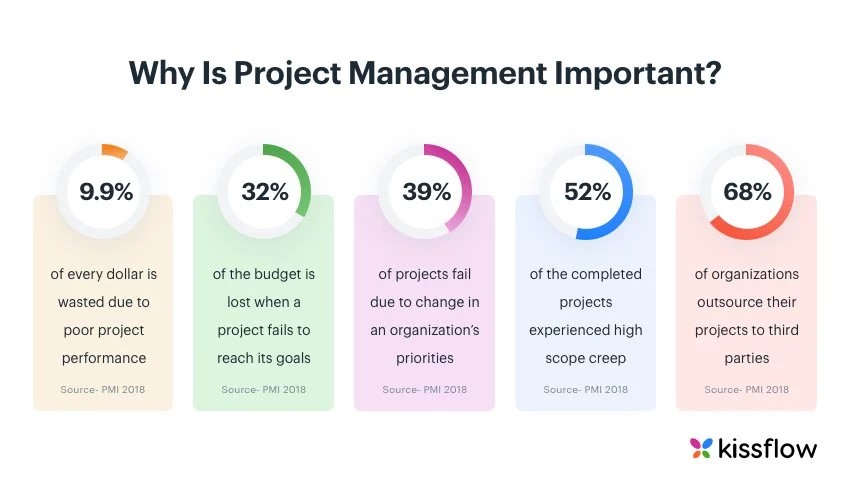
Image source: kissflow.com
Project management is important as it helps every part of the business to run smoothly and effectively. Being a project manager brings in a rewarding experience, where you will work with a team with the right things at the right time and motivate your team to complete the project before the deadlines. Here are some skills that a project manager must learn.
- Time management
- Risk management skills
- Multitasking skills
- Leadership skills
- Adaptability
One can acquire these skills by taking the globally acknowledged PMP certification training course, which helps you to develop skills and prepare you well to be a good project manager in an organization across industry sectors.
Benefits of Being a Project Manager
Being a project manager offers numerous benefits that contribute to both personal and professional growth. Below are some detailed explanations of the advantages:
Leadership Development
Project managers are responsible for guiding teams toward achieving specific goals within a set timeframe and budget. This role fosters leadership skills such as decision-making, problem-solving, and team motivation. Over time, managing diverse teams and navigating through various project complexities enhances leadership abilities.

Diverse Skill Development
Project management involves a wide range of skills encompassing communication, negotiation, time management, risk assessment, and stakeholder management, among others. As project managers work on different projects across various industries, they continuously hone and expand their skill sets, making them versatile professionals capable of handling diverse challenges.
Career Advancement Opportunities
With experience and proven success in project management, professionals often find themselves well-positioned for career advancement. Whether within the same organization or elsewhere, project management expertise is highly sought-after and can lead to promotions, higher salaries, and opportunities for leadership roles.

Increased Visibility and Recognition
Successful project delivery brings visibility and recognition to organizations. Project managers who consistently deliver projects on time, within budget, and meeting quality standards garner respect from peers, stakeholders, and senior management. This recognition not only boosts confidence but also opens doors to new opportunities and responsibilities.

Job Satisfaction
Being able to see projects through from conception to completion can be incredibly rewarding. Witnessing the tangible results of one’s efforts, such as successful product launches or process improvements, can provide a sense of fulfillment and accomplishment. Additionally, overcoming challenges and celebrating achievements with the team fosters a positive work environment and enhances job satisfaction.

Networking Opportunities
Project managers often interact with a wide range of stakeholders, including team members, clients, vendors, and executives. This exposure facilitates networking and the establishment of valuable professional relationships. Building a strong network can lead to future collaboration, mentorship opportunities, and access to industry insights and resources.

Continuous Learning
Project management is a dynamic field that constantly evolves with new methodologies, tools, and technologies. As such, project managers are lifelong learners, continuously seeking opportunities to improve their knowledge and stay updated with industry trends. This commitment to learning not only enhances professional competence but also keeps individuals intellectually stimulated and engaged in their work.

Contribution to Organizational Success
Effective project management plays a crucial role in driving organizational success. By delivering projects that meet strategic objectives, project managers contribute directly to the growth and profitability of their organizations. Their ability to align project outcomes with business goals and deliver value to stakeholders is instrumental in maintaining a competitive edge in the market.

Conclusion
Today, regular training or upskilling plays an important role for professionals and students to become successful project managers. Training programs are well designed and help the candidates to develop skills, increase networking opportunities and relevant techniques, learn to tackle complicated projects, certification, and more. At Spoclearn, we provide some of the popular project management certification courses such as PRINCE2, PMP, CAPM, Change Management, Project Management Fundamentals, and PRINCE2 Agile to master the necessary skills and knowledge required for individuals to meet the growing requirements in the field of project management.