

Trending Now

How Google AI Search Is Changing SEO Strategies in the United States
Top Industries Hiring PRINCE2 Certified Professionals with AI Skills in 2026
CRISC Certification Salary Guide by Country in 2026
PRINCE2 7 in Agile/Hybrid Teams: How to Combine PRINCE2 with Scrum, Kanban, SAFe (2026)
PRINCE2 7 Processes Explained (2026): A Step-by-Step Walkthrough from Start to Close
Common Root Cause Analysis Mistakes That Keep Problems Coming Back — And How to Fix Them
Lean Six Sigma Templates Pack: SIPOC, CTQ, Fishbone, Control Plan, A3 (Free Guide)
Power Query in Power BI: Top Real-World Problems, Errors & Solutions for Data Analysts
Power Query Best Practices 2026: Faster Refresh, Cleaner Models, Fewer Errors
Step-by-Step CISA Certification Roadmap for 2026 (Beginner to Expert)
Top ITIL Roles in the USA for 2026 With ITIL v5 Skills
PMP vs Agile vs PRINCE2 in the USA: Which Certification Delivers the Best Career Growth in 2026?
Agile in CAPM: What PMI Expects You to Know (Scrum, Kanban, Hybrid Basics)
Power Query vs Traditional Excel: The Future of Data Cleaning, Reporting & Automation in 2026
ITIL 4 to ITIL 5 Transition Guide: Bridge Certification, Costs, Deadlines & Strategic Upgrade Plan
CAPM Exam Mistakes to Avoid: The Top Reasons Candidates Fail and How to Fix Them
Why Global Construction and Infrastructure Companies Depend on Oracle Primavera P6
Top SRE Challenges in 2026: Toil, Tool Overload & How Organizations Can Fix Reliability Gaps
From Chaos to Control: How PMP Frameworks Help Organizations Deliver Projects On Time and Within Budget
From Beginner to Agile Pro: Step-by-Step Roadmap with Agile Scrum Foundation Certification
What Is CRISC Certification in 2026? Updated ISACA Exam, Domains, Skills & Career Value Explained
Struggling with Process Inefficiencies? How LSSGB Solves Workflow Bottlenecks in 2026
SIAM in 2026: How to Fix Multi-Vendor Chaos and Achieve End-to-End Service Accountability (EXIN SIAM BoK V3 Guide)
CISM Certification 2026 Update: What’s Changing in ISACA’s New Exam Structure (Nov 2026)
Step-by-Step Guide to Master Primavera P6 for Project Managers (2026 Edition)
Oracle Primavera P6 Training Guide (2026): Skills Every Project Professional Must Master
What’s New in PMP 2026? Key PMI Updates, Exam Pattern Changes & What It Means for Your Career
Who Should Take the ITIL V5 Bridge Course? Eligibility, Benefits & ROI Explained
PL-300 Practice Questions 2026: 60 Scenario-Based Questions with Explanations
From Beginner to Expert: The Ultimate Oracle Primavera P6 Learning Path for Project Professionals
ITIL v5 Framework Guide: Core Concepts, Principles, and Real-World Applications
Agile Scrum Foundation vs Scrum Master: Which Certification Should You Choose in 2026?
CRISC® Certification Guide 2026: Syllabus, Exam Pattern, Salary & Career Growth Explained
PMI-PBA® Certification in 2026: Complete Guide, Career Scope, Salary & Industry Demand
CISA Exam Changes & Syllabus Breakdown (2026 Update + Study Strategy)
CISM Certification Roadmap 2026: Step-by-Step Guide to Becoming a Security Manager
Lean vs Six Sigma vs Lean Six Sigma: What’s the Difference and When to Use Each?
AI and PRINCE2 7th Edition: What PMs Must Know
Performance Max Campaign Performance Dropped? Here’s the Real Reason (And Fix)
ITIL v5 Trends: What IT Leaders Must Know About the Next Phase of ITSM
Why Oracle Primavera P6 Certification Is Becoming Essential for Project Managers in 2026
PRINCE2 7 Roles & Responsibilities: Who Does What (Project Board to Team Manager)
Stakeholder Engagement Strategies That Actually Deliver Results
The Future of Project Management: Trends Reshaping 2025–2030 
CAPM Exam Prep Strategy 2026: Practice Questions, Mock Tests, and Time Management
ITIL 4 vs ITIL (Version 5): The Global, No‑Fluff Guide to What’s New, What Stays, and How to Transition
ITIL 5 Certification Demand and Job Market Trends: Complete Career Guide (2026)
ITIL v5 Job Roles Explained: From Service Desk Analyst to IT Service Manager
PL-300 DAX Questions You Must Master in 2026 (With Patterns)
How to Write an RCA Report That Actually Prevents Repeat Incidents (Templates + Examples)
Digital Transformation Projects: Why They Fail & How to Fix Them
PMI’s Late-2026 PMP® Policy Update Will Reject Most Live Training Hours — Here’s How to Protect Your 35 Contact Hours  
Why Are My Pages Not Indexed Even After Sitemap Submission? (And How to Fix It)
Minitab for Lean Six Sigma (2026): The Only Functions Most Belts Actually Need
Top 10 Project Scheduling Tools for PMP & PRINCE2 Aspirants (2026 Guide)
SIPOC Made Simple: How to Map a Process in 20 Minutes (with Examples)
PL-300 vs DP-600 vs DP-500 in 2026: Which Certification Should You Take First?
Portfolio Management Mastery: Why PfMP and PgMP Are Rising in Demand (2026)
How to Build a “Closed-Loop” CAPA System Using RCA (So Fixes Don’t Die in Docs)
Yellow Belt vs Green Belt vs Black Belt: Which Lean Six Sigma Level Should You Choose in 2026?
DMAIC Explained (2026): The Step-by-Step Method to Fix Any Process
PRINCE2 7 Tailoring Guide (2026): How to Adapt the Method for Any Project Size
Google Ads vs SEO in 2026: Which Should You Invest In First?
Process Mining + Lean Six Sigma: The 2026 Playbook for Faster, Data-Driven DMAIC
CAPM vs PMP in 2026: Which Certification Should You Choose (and When)?
PRINCE2 7 Certification Path: Foundation → Practitioner → Next Steps (2026 Roadmap)
Oracle Primavera P6 Training Roadmap (2026): From Beginner to Project Controls Expert
AI Overviews & AI Mode SEO: How to Win Visibility When Google Answers First
RCA vs 5 Whys vs Fishbone vs 8D vs A3: When to Use Which (Decision Framework)
PL-300 Case Study Walkthrough: From Raw Data to Executive Dashboard (End-to-End)
PRINCE2 7 Foundation: Complete Exam Guide, Format, Pass Mark, and Study Plan (2026)
Lean Six Sigma Yellow Belt: The 2026 Beginner Guide (Tools, Examples, Real Workplace Use)
Technical SEO Audit 2026: The Only Checklist That Still Matters
Content Refresh Strategy 2026: How to Update Old Pages for New Traffic
CAPM Exam Content Outline Explained: Domains, Weightage, and What to Study First
GA4 Setup Guide 2026: Step-by-Step for Accurate Tracking
From Keywords to Answers: How Search Works in 2026 
CAPM Certification 2026: The Complete Exam + Training Guide (PMI-Updated)
Traditional SEO vs Answer-First SEO: What Actually Ranks in 2026
ITSM Evolution: From Monolithic Systems to Cloud‑Centric Architectures (2026)
How to Run High-Performance Retargeting Campaigns Using AI
Project Leadership in 2026: Skills Every Successful Project Manager Needs
Technical SEO for 2026: Crawl Optimization, Log Analysis & AI Indexing Signals
Top 12 Project Management Mistakes and How to Avoid Them
PRINCE2® 7 (2026 Guide): What’s New, What Changed, and Why It Matters
Lean Six Sigma in 2026: What’s Changed (AI, Automation, Process Intelligence) & What Still Works
Root Cause Analysis in 2026: The Modern RCA Playbook for Faster, Repeatable Fixes
ITIL Is for Everyone and for Every Organization: A Deep‑Dive Playbook (2026)
Social Media Algorithms Explained (2026 Edition): What Actually Drives Reach Today
PL-300 Exam Guide 2026: Skills Measured, Study Plan, and What’s Changed
LLMS.txt vs Robots.txt in 2026: What to Implement (and What to Avoid)
SEO in 2026: The Complete Playbook for AI Search, AEO & GEO
Google Ads Audits in 2026: A Step-by-Step Checklist to Fix Wasted Spend and Unlock Growth
AI-Driven Risk Management: Predict Risks Before They Happen
On-Page SEO 2026: New Techniques for Topical Relevance & AI Search
Hybrid Project Management: Why Organizations Are Transitioning in 2026 and Beyond
AI-Powered Project Planning: Faster, Smarter, and More Accurate Strategies 
Industry Predictions for 2026: From GenAI to Value Streams and Total Experience
PMP vs CAPM vs PRINCE2: Which Certification Offers the Best ROI in 2026?
AI in Project Management: How Intelligent Tools Are Transforming PM Workflows 
How are the Business Analysts ruling the Healthcare Industry?

How are the Business Analysts Ruling The Healthcare Industry?

Picture of Stefan Joseph
Stefan Joseph
Stefan Joseph is a seasoned Development and Testing and Data & Analytics, expert with 15 years' experience. He is proficient in Development, Testing and Analytical excellence, dedicated to driving data-driven insights and innovation.

Due to the onset of the pandemic in 2020, the global community has lost multiple resources which in turn has set a demand for these resources in the market at the moment. The healthcare industry though has faced quite a profit amid this pandemic and the need for capable Business Analysts has grown a lot. Business Analysts play integral roles in medicine-related research works till the delivery of better patient care after any procedure. According to the Bureau of Labor Statistics report healthcare occupations will grow 15% between 2019 and 2029. Management analyst positions, including business analysts, are expected to grow 11% meanwhile.

How is Business Analytics used in Healthcare?

Let’s have a look at various verticals where Business Analysts are shinning in the healthcare industry:

1. Data Generation

Hospitals and Medical institutes are gathering data about patients to improve the entire system. They are using this information to operate major clinical and operational information systems. The usage of EHRs (Electronic Healthcare Records) is working miraculously with the beautiful blend of IoT systems and AI where transmitting data on patients from one medical institute to another is faster than blinking of eyes. 

Marsolo and Spooner show a table that depicts the kind of data healthcare systems are gathering.
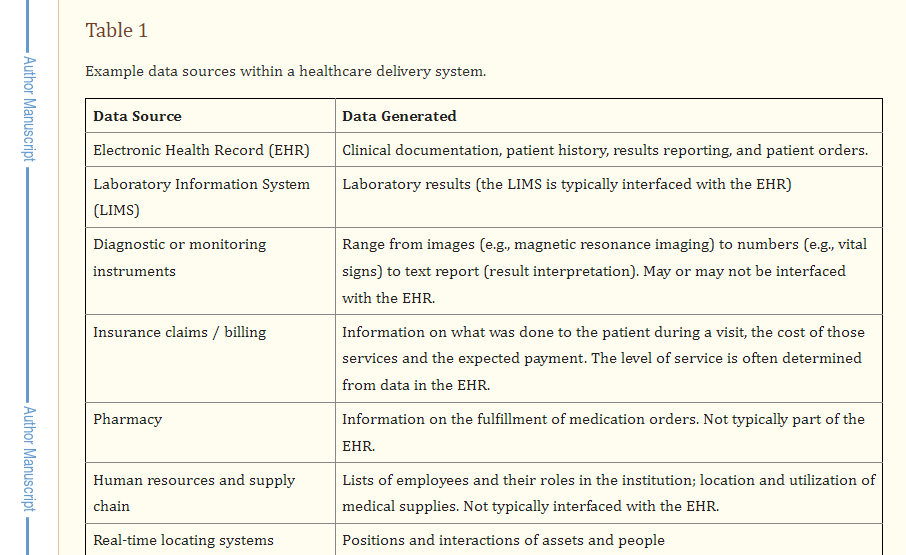
Example of data sources within a healthcare delivery system

One of the major objectives of Business Analysts in this domain is to make sure that the data received from EHRs or any such IoT devices are updated and authentic. Based on the information, a BA conducts multiple research to enhance the entire medical system. Also, they get a clear picture of how medical institutes are utilizing the data to enhance service to the patients.

2. Research

Insights from big data can lead to breakthroughs and increase efficiency of the healthcare system and Business Analysts are making the best use of it. The ex-US President Barrack Obama launched the Cancer Moonshot program to accelerate scientific discovery in cancer, foster greater collaboration, and improve the sharing of data. Business Analysts have access to analyze data received from this program and then share it with the concerned bodies to make the healthcare facility more effective.
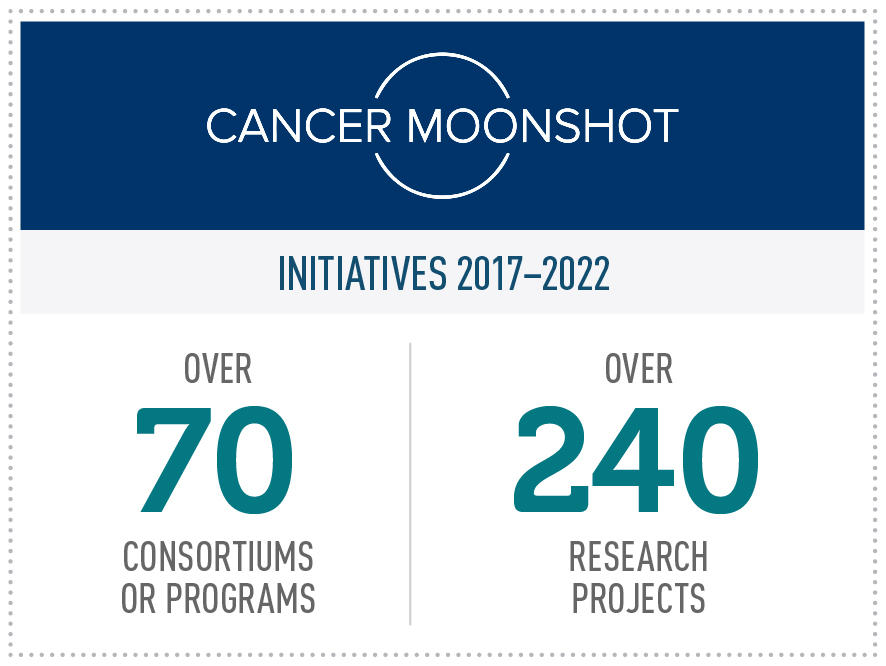
Cancer Moonshot initiatives

Data analytics significantly contribute to time and cost savings for both medical professionals and patients, facilitating more effective medication research across various diseases and demographics. For instance, researchers have developed a machine learning algorithm designed to identify and predict potential adverse effects of drugs in different genders. This algorithm conducted a comprehensive analysis of FDA reports spanning five decades, a task that would be prohibitively time-consuming for an individual researcher or even a research team.

By meticulously examining differences in biological sex, researchers can delve deeper into the underlying reasons behind drug-related adverse effects and their specific occurrence in certain individuals. Consequently, this empowers healthcare providers to make informed decisions, avoiding the prescription of drugs that are likely to pose risks to particular patients. This not only saves valuable time and resources but also minimizes patient suffering and reduces overall healthcare costs by endorsing the use of medications with a lower likelihood of causing harm.

Business Analytics Course

3. Improving Patient Care

Mobile applications and wearable devices like smart watches or fitness bands have often alarmed people regarding their health status like the need for extra sleep, notification for drinking water, the need for exercise, etc. According to a report released by Mindsea, there are over 350,000 health apps now available, with about 250 new apps released every day.

There are mainly 3 parts where healthcare applications can be divided:

  1. Telemedicine apps provide accessible and affordable virtual care by connecting patients with certified medical professionals like doctors and nurse practitioners.

  2. General health/wellness apps, such as calorie counters or sleep trackers, stress-management apps that help individuals lower cortisol, and habit tracker apps like Smoke-Free, which lets ex-smokers watch how their biometrics like pulse rate and circulation improve over time after quitting.

  3. Health management apps, that can  
  • Help individuals monitor their health conditions, such as heart disease, diabetes, pregnancy, mental health, etc. 
  • Allow healthcare providers to share and report on a patient’s health records remotely, and 
  • Help keep track of medications.

The image below will give a proper understanding of how Apple’s smartwatch wearable technology is tracking health and improving wellness. The BAs in turn can receive data from these readings and often contribute to alarming people regarding their health status.
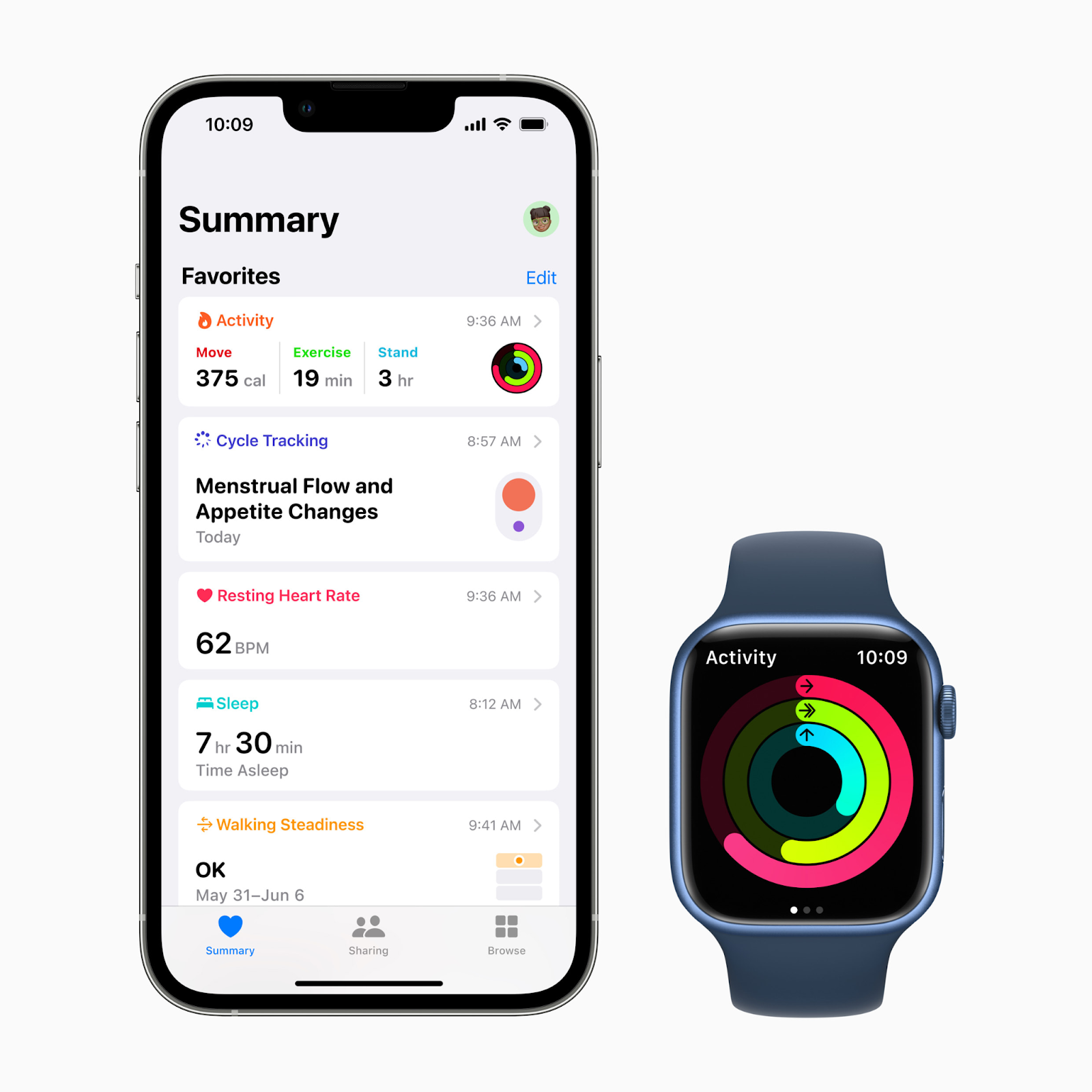
Apple's smartwatch wearable technology

4. Detection of Diseases through Prediction

Big data in healthcare has always dealt with massive information regarding patients and Datapine has shared the interface of the data set.
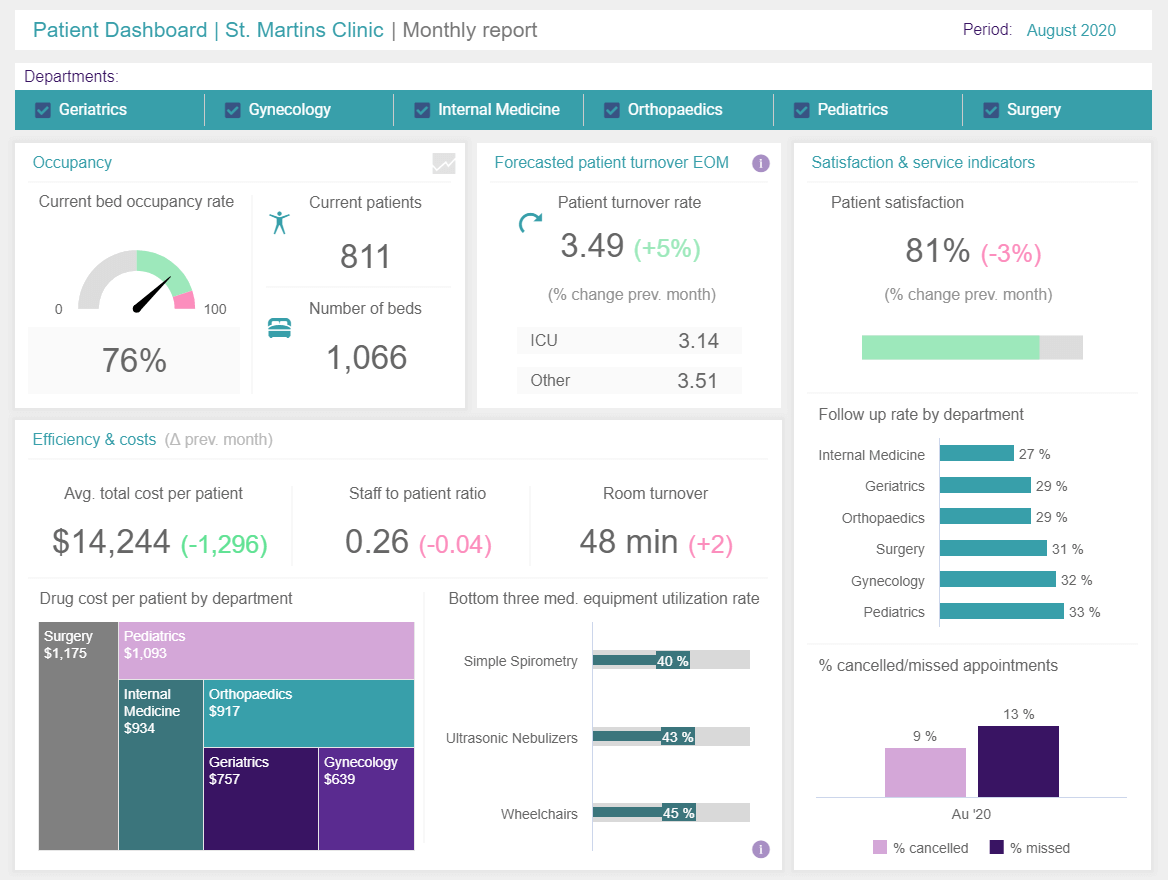
The need for Business Intelligence to access this data set and infer predictions is quite huge. The utilization of big Data Analytics within the healthcare sector yields a myriad of beneficial and potentially life-saving results. In its essence, big data pertains to the extensive volume of information generated through the digital transformation of various aspects of life, which is then consolidated and subject to thorough analysis through specialized technologies. When harnessed in healthcare, this approach leverages specific health data from either a population or an individual to potentially mitigate the occurrence of epidemics, facilitate disease treatment, reduce operational costs, and more.

Here are several instances where business and data analytics are driving transformative change in healthcare by enabling disease prediction:

  • Fuzzy Logix Data Analysts, through the examination of insurance and pharmacy data, have identified 742 risk factors that can predict an individual’s vulnerability to opioid abuse.

  • Machine learning algorithms have been developed to identify or forecast the occurrence of heart diseases, kidney diseases, breast cancer, and Parkinson’s disease.

  • A predictive analytics model unearthed the presence of VGF, a protein that serves as a protective factor against Alzheimer’s disease.

The insights derived from the analysis of extensive datasets have led to improved diagnosis and forecasting of various diseases, including diabetes mellitus, mental health disorders, and suicidal behavior.

5. Optimization of the Emergency Department

Leveraging Business Analytics within the hospital environment facilitates the enhancement of patient experiences and operational efficiency, particularly in areas traditionally characterized as chaotic and time-consuming, such as the emergency room. Through data analysis, healthcare providers gain the ability to meticulously examine extensive historical data sets, enabling them to ensure appropriate staffing levels, reduce patient wait times, and refine the triage process.

Dr. Kirk Jensen, the Chief Innovation Officer at Envision Physician Services, highlights that their data management tool assesses crucial factors of emergency room operations, including:

  • Length of patient stay
  • Visit Impact
  • Time of day
  • Day of the week
  • Seasonal variations
  • Variability in healthcare provider productivity

Business Analytics Course

He emphasizes the fusion of science and analytics with patient care and clinician requirements, underscoring the significant opportunity for safety optimization and service enhancements. Dr. Jensen envisions the next evolutionary step, incorporating artificial intelligence and data mining to further maximize these improvements, stating, “Once we have all this data integrated into the system, the next iteration involves the incorporation of artificial intelligence and data mining to explore the extent to which optimization can be extended.”

Conclusion

As this blog shows the data, it can be easily understood that Business Analysts in the healthcare industry are contributing a lot to improve the entire medical facility as well as enhance patient wellness. Using EHRs, wearable technologies, and predictive modeling, Business Analysts are taking the best advantage of AI and Machine learning to deal with all the data efficiently. The demand for Business Analysts in the healthcare industry is booming and therefore, the medical game will improve. 

Leave a Reply

Your email address will not be published. Required fields are marked *

Subscribe us